
Adapting at the Edge of Northern Lapland
In Finland’s far north, communities are turning tradition, tourism, and science into a blueprint for climate adaptation.
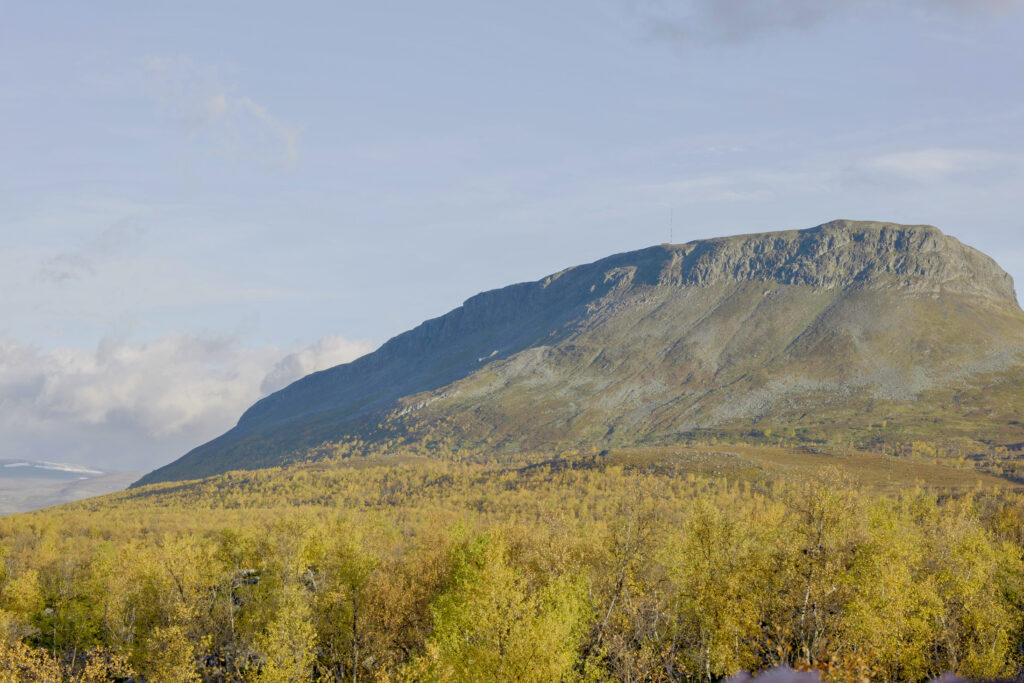
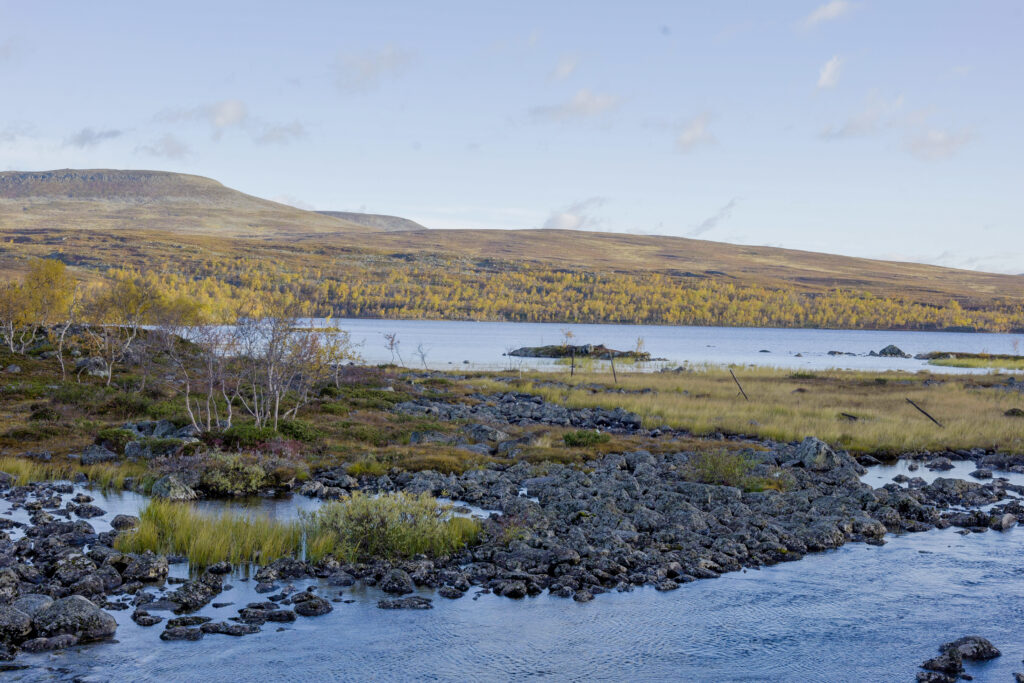
The light falls in long, pale ribbons over the mountains. The air is dry, almost electric, and the snow begins to fall for the first time this season. This is Kilpisjärvi – a village closer to Norway than to most of Finland – where the landscape is more tundra than forest, and climate change is not an abstract concept but a lived reality.
Lapland at a Crossroads
Lapland is warming four times faster than the global average. Here, the rhythm of life –reindeer herding, tourism, and scientific observation, is being rewritten by the warming climate. “Some winters it rains in January,” a local reindeer herder says. “The ice comes thick on the snow, and the reindeer can’t dig through.” Yet in this fragile environment, communities are finding new ways to adapt by blending science, local knowledge, and creativity.
That’s the goal of MountResilience, a Horizon Europe project uniting 47 partners from 13 countries to accelerate climate adaptation in Europe’s mountain regions. Lapland is one of its demonstration areas – a living laboratory where scientists, entrepreneurs, and Indigenous people work together to design solutions that protect both livelihoods and landscapes.
“Local and traditional knowledge should not be overlooked. That’s how the plans become real, because people trust them.”
Taru Lindell, Project Manager, MountResilience
Mapping change
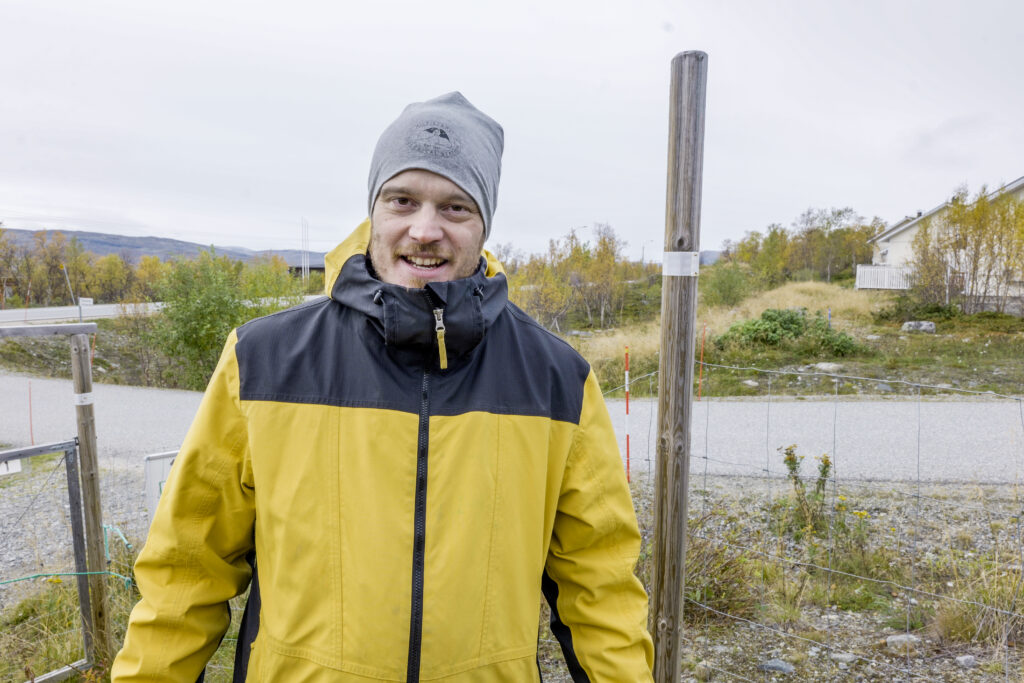
Utsjoki sits at the top of Finland, where reindeer herding and tourism remain the twin engines of the local economy. Both depend on stable seasons. Both are now under strain. Lindell has spent the past year guiding adaptation planning for reindeer herding companies and local governments by translating climate data into something people can act on. “While we still have snow during winter, the season is becoming shorter. Winter starts a little bit later than before and it ends earlier than before,” she says. “That means the whole calendar shifts –feeding, moving, tourism, everything.”
From October 2024 to February 2025, the Finnish MountResilience team collected over 220 map markings from residents of the pilot areas, Utsjoki and Enontekiö, using Public Participation Geographic Information Systems (PPGIS). The tool allows locals to record visible environmental changes, from shifting treelines to flooded rivers, and link those observations to scientific and policy discussions.
Together, these maps form a community-based record of change: locals marking the drying rivers, shorter snow seasons, and the arrival of new species – the small signs of a shifting Arctic.

Science in the snow
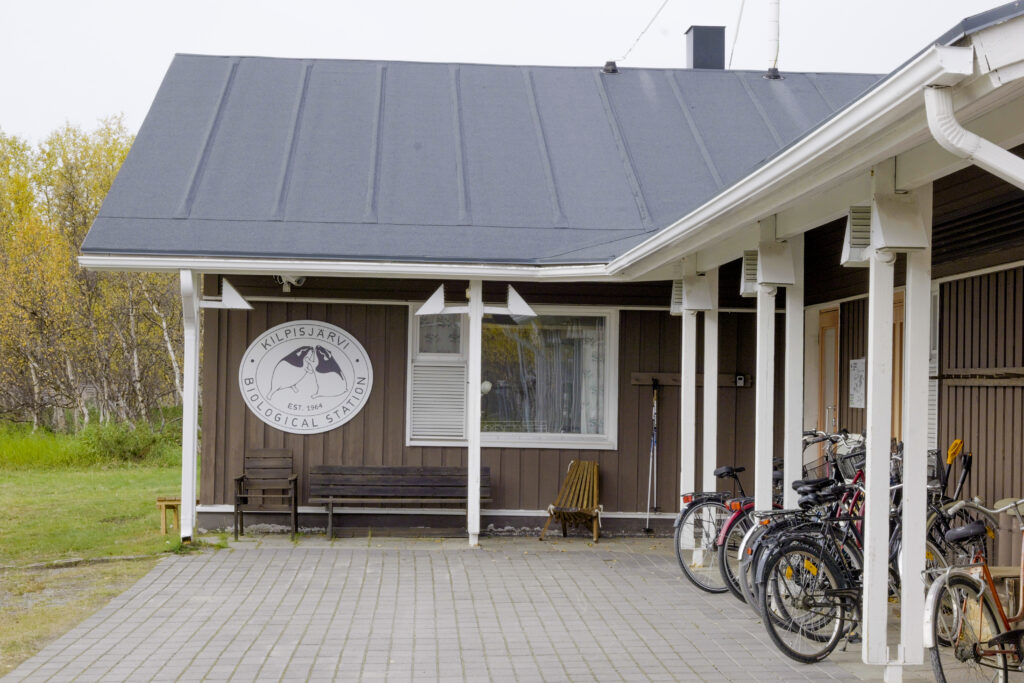
At the Kilpisjärvi Biological Station, the change is measured in birch buds and insect counts. Established in 1964, the station is part of the University of Helsinki and serves as one of Finland’s longest-running Arctic research centres. “Every small change here means something big,” says Hannu Autto, the station’s service manager. “We see the birch line move higher up the slopes. New moss and insect species appear. Even the streams behave differently.”
“Every small change here means something big.”
Hannu Autto, Service Manager, Kilpisjärvi Biological Station
To bridge that gap, the Kilpisjärvi Biological Station now works directly with local municipalities and schools. Students and residents visit to learn how environmental monitoring links to planning decisions – from water management to land use. “Science can describe what’s happening,” Autto says, “but I think there’s an intrinsic value that people are directly participating when these changes are coming. MountResilience helps turn that knowledge into adaptation.”
Tourism in transition
That connection is visible a few kilometres away, in the cosy, family-run Cahkal Hotel, where Margit Eskonen has spent two decades building her dream. After years of working in Rovaniemi’s hospitality industry, “doing everything from cleaning rooms to managing them,” she laughs – Margit decided to open her own boutique lodge in Kilpisjärvi with her husband Ville. “My husband had a dream of having a bed and breakfast next to the mountains,” she says, “and I had a dream to have my own hotel. So, we made a combination of our dreams, and now we have a hotel next to the mountain.”
The ‘boutique and experience hotel’ located 400 kilometres above the Arctic Circle, thrives on the beauty of the seasons: the northern lights in winter and midnight sun in summer. But both, she notes, are changing. “Winters have become less stable,” she explains. “The snow used to come like clockwork. Now it might melt in February and freeze again the next day. For tourism, that’s very hard.”
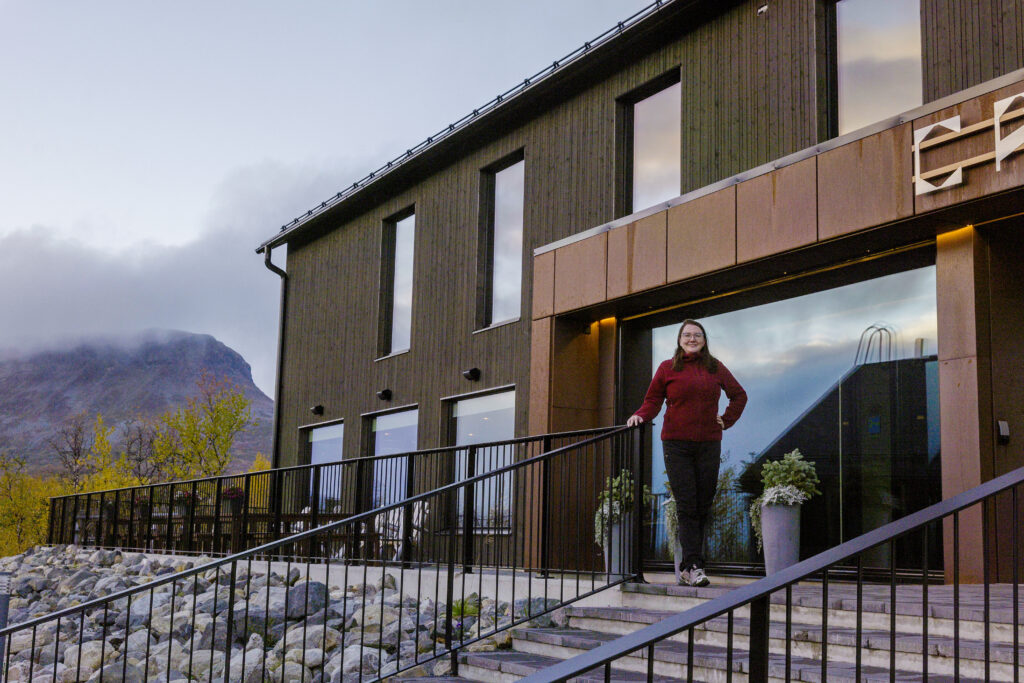
Through the MountResilience project, Margit and her husband Ville participated in the PPGIS mapping exercise, identifying how climate variability could affect their business. “We started looking at how to make tourism more year-round. Adaptation for us means finding new ways to keep people coming, even if the snow doesn’t,” she says. “It’s also important to keep cross border operations and collaboration strong. At the moment we collaborate closely with Norway’s Lyngenfjord region, and we also work together with local businesses to boost the shoulder seasons.”
“Adaptation for us means finding new ways to keep people coming, even if the snow doesn’t.”
Margit Eskonen, owner of Cahkal Hotel
Her perspective aligns with that of Nina Forsell, Executive Director of the Finnish Lapland Tourist Board (LME), which represents hundreds of tourism companies across the region. Nina helped design adaptation training for pilot businesses through MountResilience. “Our role is to gather knowledge and make it practical,” Forsell explains. “We meet with local people – not only those working in tourism, but others in the community as well – and talk through the changes they see, the signals they’re noticing. We bring that practical knowledge together with scientific information and then try to make it easy to use.”
LME is now working with 10 pilot companies in Utsjoki and Enontekiö, guiding them through adaptation training and helping each business develop its own adaptation plan. “Based on those pilots, we’ll refine the model so it can be scaled and used more widely,” she adds. “In tourism, there has been a lot of work on sustainability, but very little on adaptation planning. That’s the gap we’re trying to fill.”
Tradition at the edge of change
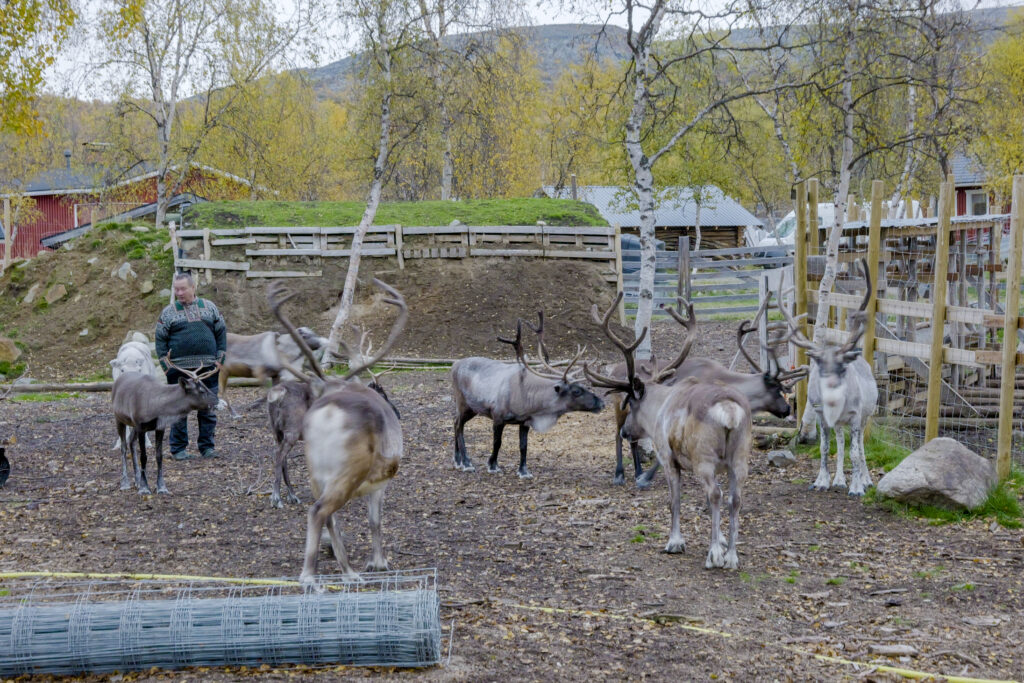
The next morning, frost glitters across the tundra road leading to the Tornensis reindeer farm, where father and son, Lars Aslak and Juha Tornensis give tours and explain their culture to visitors. The Tornensis family are Sámi – the Indigenous people of northern Lapland – who also live in parts of northern Sweden, Norway, Finland and Russia. Their livelihood depends on the landscape’s delicate balance.
“We are more at the mercy of nature than people in the south. They have fields; we have snow.” – Lars Aslak, Reindeer Herder.
Lars Aslak, reindeer herder
Kilpisjärvi’s Sámis have lived in this region for centuries, long before non-Sámi settlers arrived in the 1970s. The Tornensis family, whose name was Latinised generations ago, trace their roots in the area back over 500 years. Today, only two Sámi families live in the village, and Northern Sámi remains their mother tongue.
Reindeer herding is only one part of Sámi livelihood traditions, alongside hunting, gathering, and fishing. Yet herding remains deeply symbolic, a link between culture and survival. “We have adapted to climate change for hundreds of years,” Aslak says. “But now the seasons are different. The reindeer need more food, and it costs more to keep them alive.”
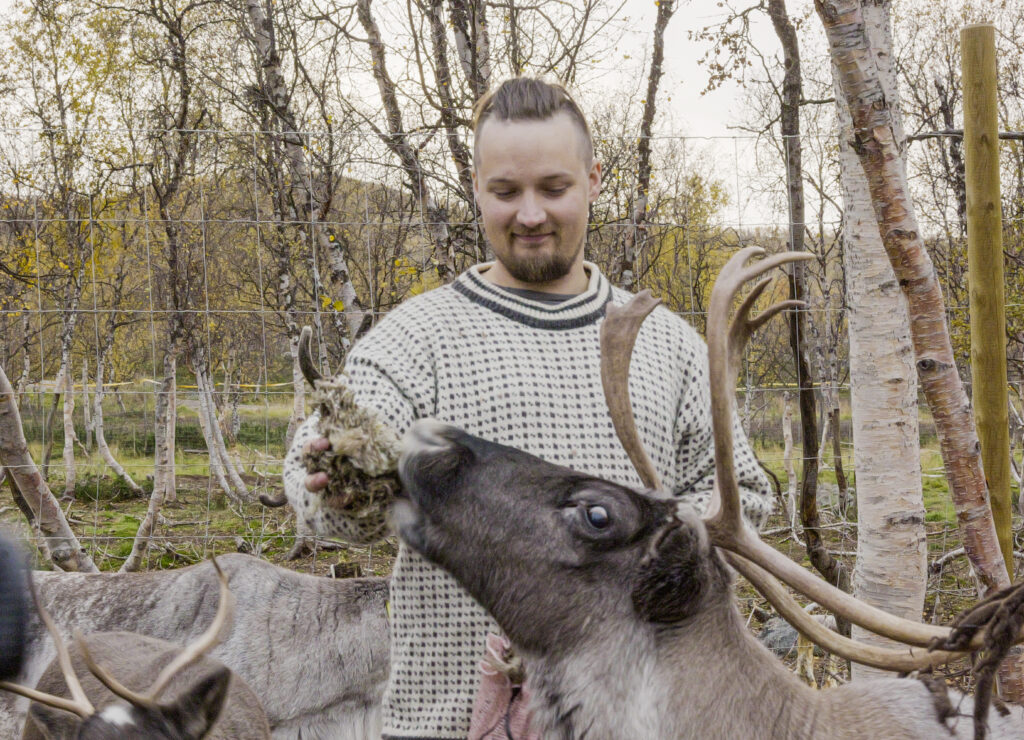
The changing conditions have also altered customs. Herders now slaughter younger reindeer for meat because it is more tender and more marketable – a departure from tradition, where only older reindeer were eaten to allow them to live longer. “It feels wrong,” Tornensis admits, “but sometimes there is no choice.”
Icy rain and unstable snow make it harder for the herds to find food or even stay upright. “They slip, they fall,” Aslak says. “Some calves are orphaned when their mothers wander away.”
Reindeer starve unless they’re fed by hand, a costly effort for small herding families. “In Norway and Sweden, the government helps with feeding costs,” Aslak explains. “In Finland, it’s different. We try to get the same system, but politics always gets in the way.”
The PPGIS survey confirmed that this is no isolated problem: respondents across Lapland reported difficulties for herders, declining grazing areas, and a general sense that “nothing grows in the swamps anymore.”
Aslak, representing a younger generation of herders, says technology has changed their way of life. “My grandfather lived in the forest all winter,” he says. “Now we go home every day. GPS and snowmobiles make that possible.” But he adds that modern tools can’t preserve tradition alone. “People don’t know what reindeer herding means anymore. It’s not a job. It’s who we are.”
Changing forests, drying lands
The PPGIS data also reveal broader ecological shifts that are reshaping Lapland’s environment. As snowmelt accelerates, the tundra is developing palsa mires, waterlogged hollows where the ground used to stay frozen. These “wet holes” make pastures unstable and change the migration routes of reindeer.
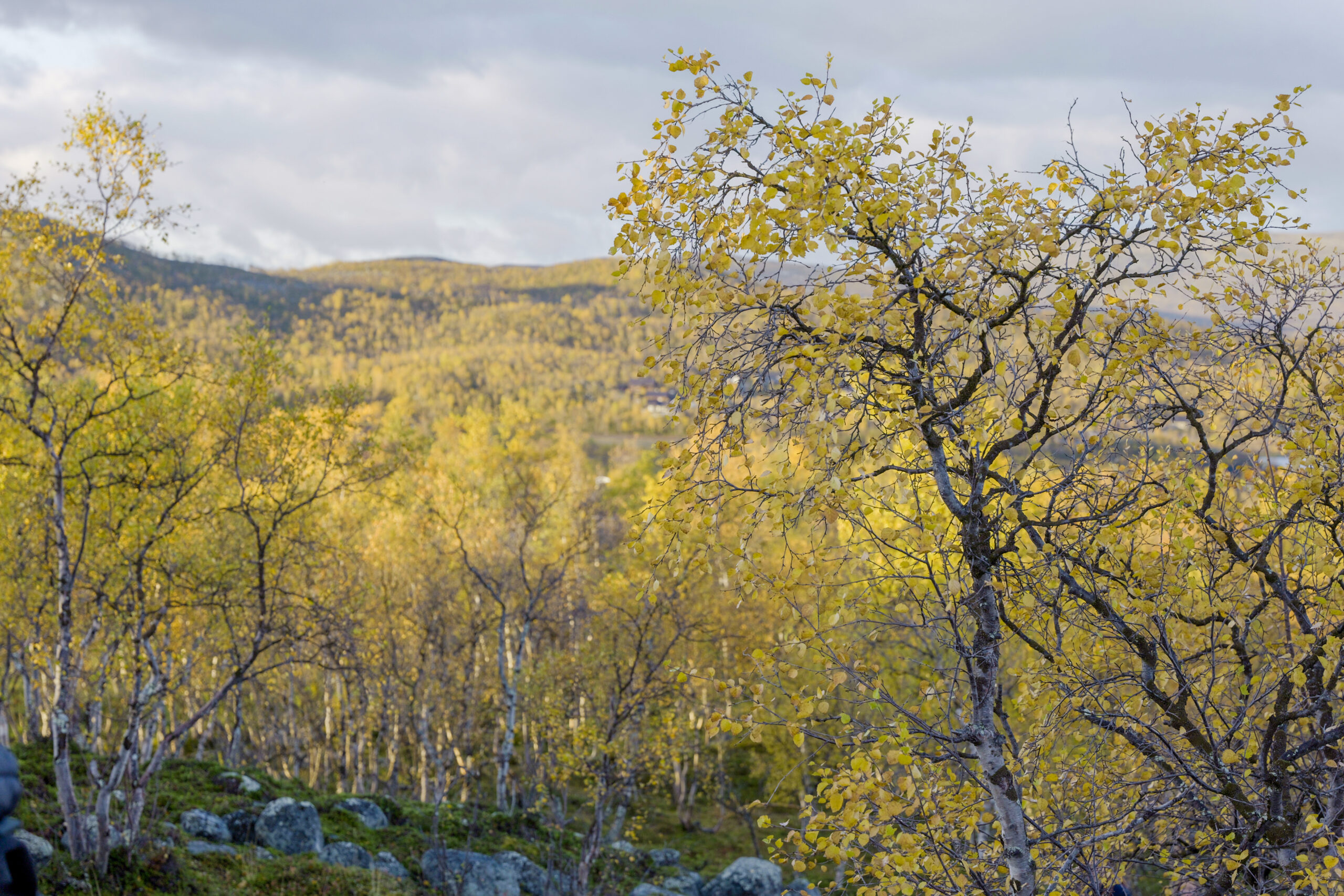
At the same time, forestation is advancing into areas once too cold for trees, with hardy birch species beginning to grow where only mosses once survived. The expansion alters the tundra’s fragile ecosystem, forcing both wildlife and herders to adapt.
Forest lines are moving north, as pine and aspen gradually spread into formerly treeless fell areas. This brings new pressures for reindeer herding, tourism, and biodiversity. Warmer winters have allowed moth outbreaks to survive and expand, damaging mountain birches and altering habitats for birds and insects.
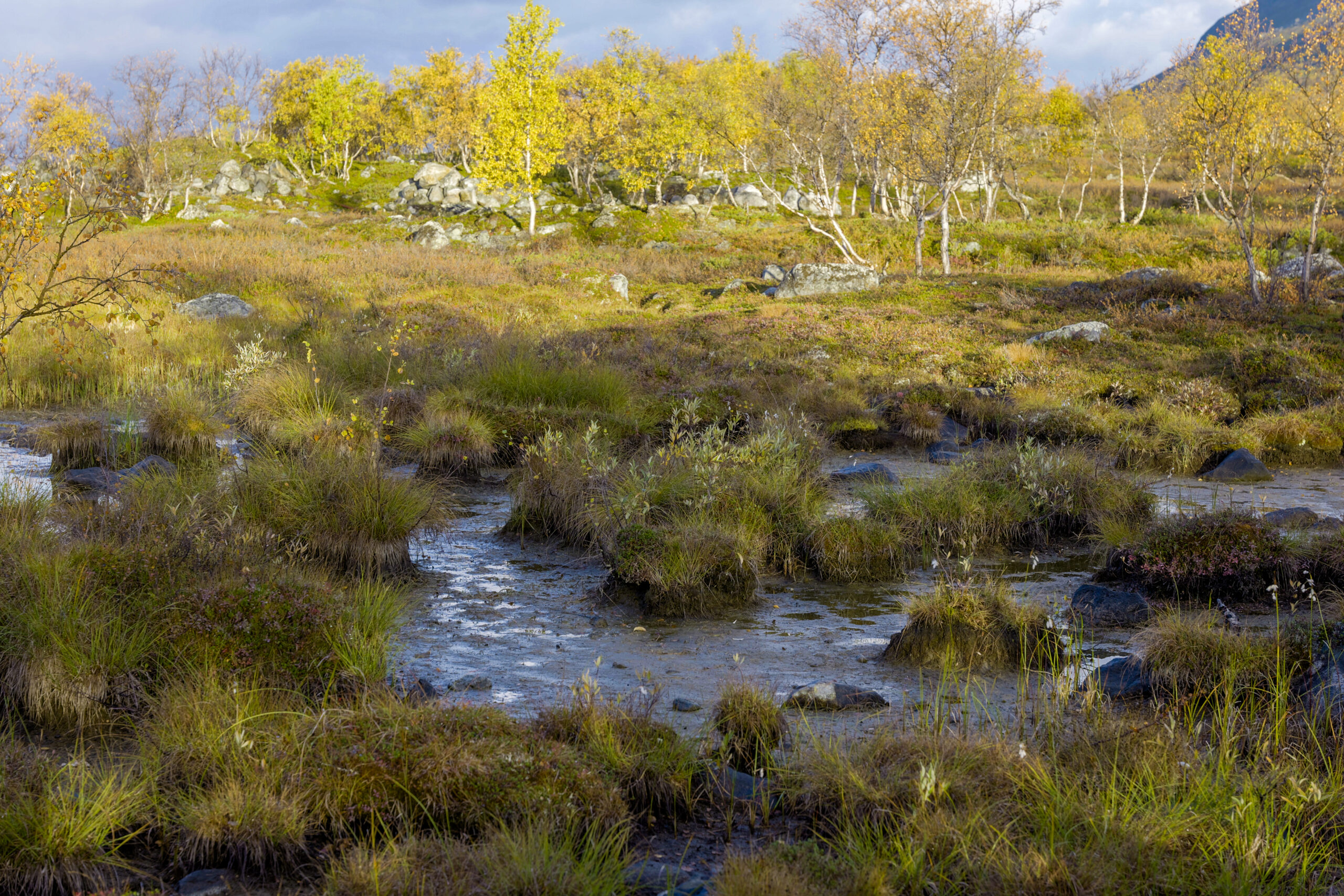
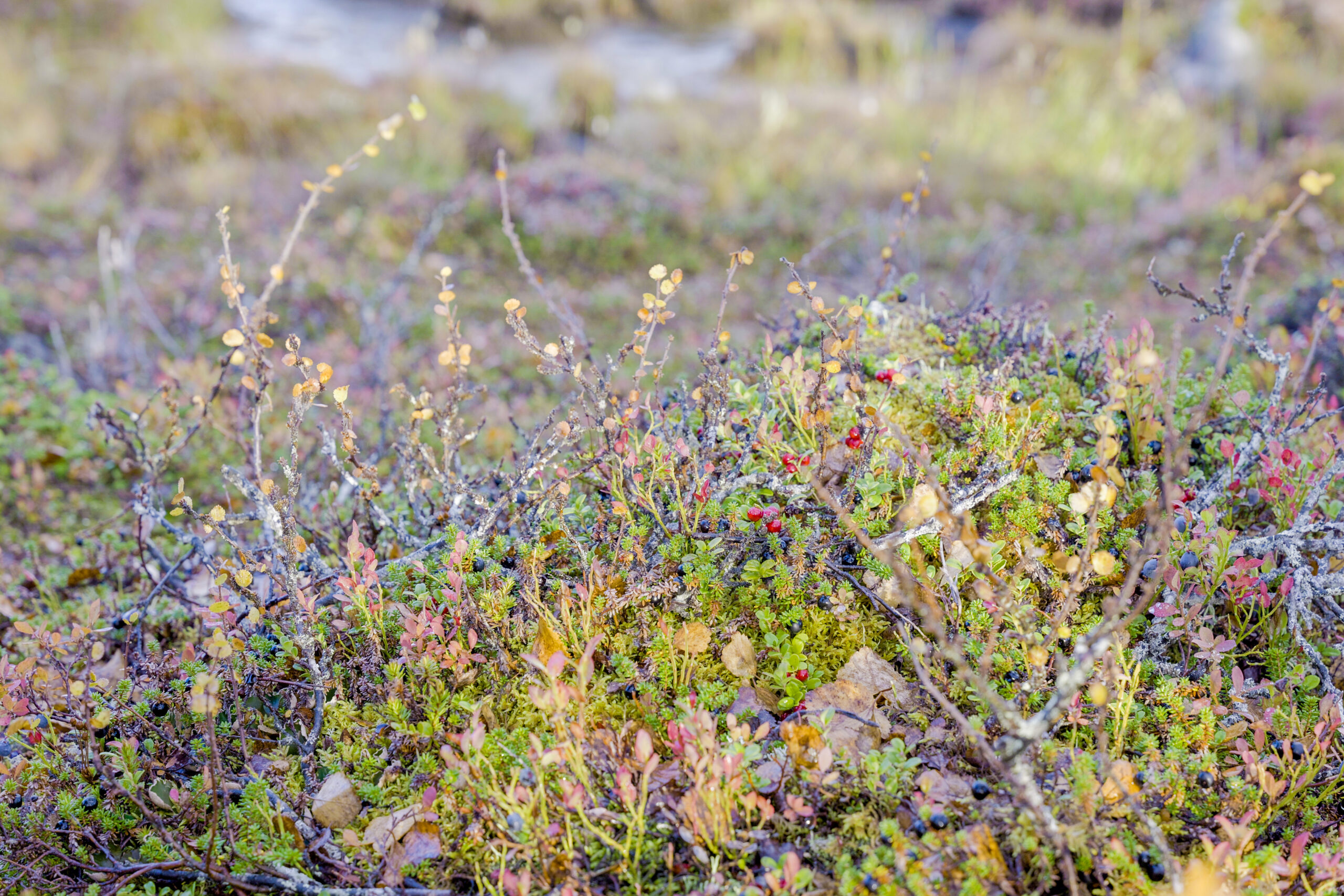
Meanwhile, residents report drought conditions that have lowered river levels, reduced salmon runs, and dried up traditional fishing and berry-picking areas. “There is no groundwater – the well dried up,” one participant noted. These patterns align with scientific data from Kilpisjärvi, where warming and drying trends have intensified over the past decade.
Together, these findings paint a picture of a landscape under stress but also of communities observing and responding in real time.
For Lindell, these steps show that adaptation is as much institutional as environmental. “It’s about making sure that climate considerations aren’t a side project,” she says. “They have to be part of how municipalities plan, budget, and communicate.”
Living with change
By connecting local voices, scientific data, and municipal planning, MountResilience is turning Lapland into a living laboratory for adaptation. It’s not a story of crisis, but of experimentation – of communities testing what works and adjusting what doesn’t.
“Adaptation is proactive, not reactive,” Lindell says. “It’s cheaper and more effective to plan ahead.”
In practice, that means building partnerships across sectors – scientists and herders, hoteliers and government officials – and developing shared ownership over the process. “The most powerful thing,” Hannu Autto reflects, “is seeing science, local wisdom, and entrepreneurship sitting at the same table.”
As the Arctic light softens over Kilpisjärvi and the Saana fell glows orange in the evening, it’s clear that adaptation here is not a distant policy goal but a daily act of resilience.
“Here, we learn to live with change, not fight it.”
Margit Eskonen, owner of Cahkal Hotel
Lapland’s communities are demonstrating that even in a rapidly warming landscape, hope lies not in permanence, but in participation. In that sense, adaptation is less about surviving the future, and more about shaping it together.