
Glaciers Above a Village
Searching for family roots in Türkiye can sometimes lead to unexpected lessons in science and climate.
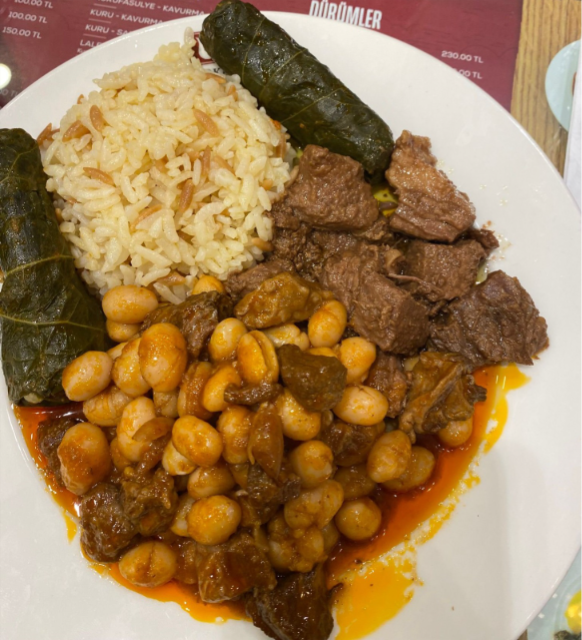
Earlier this month, a journey to Türkiye’s eastern Black Sea region began as an effort to reconnect with family roots. Time was spent in a village in Of, a district of Trabzon: slowing down, breathing in the sharp green of the hills, and engaging in familiar rituals of return – eating generously, walking often, and letting the landscape speak for itself. From there, the trip extended naturally to Rize, visiting another family village along winding mountain roads. It felt less like tourism and more like stitching together memory and place.
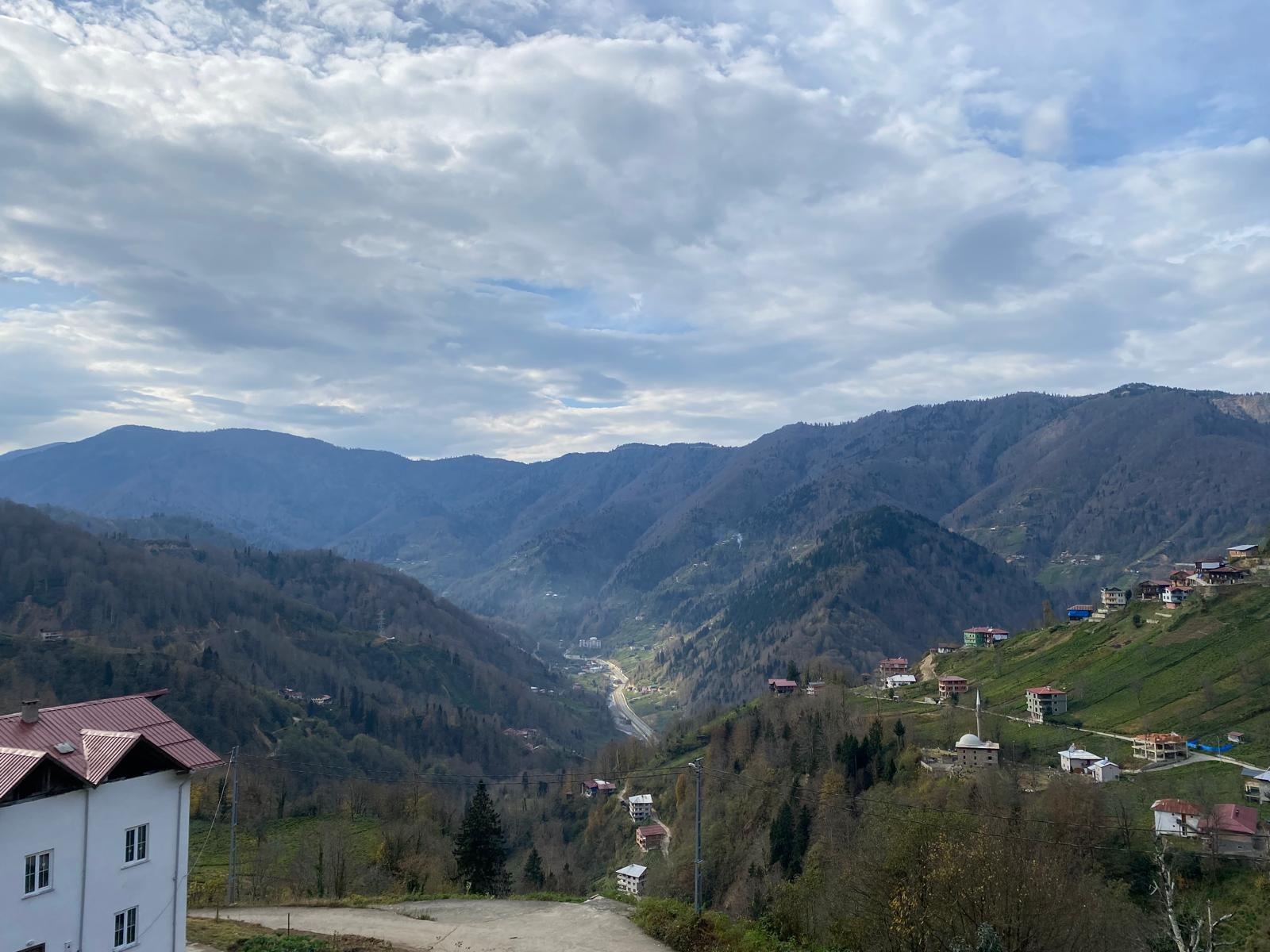
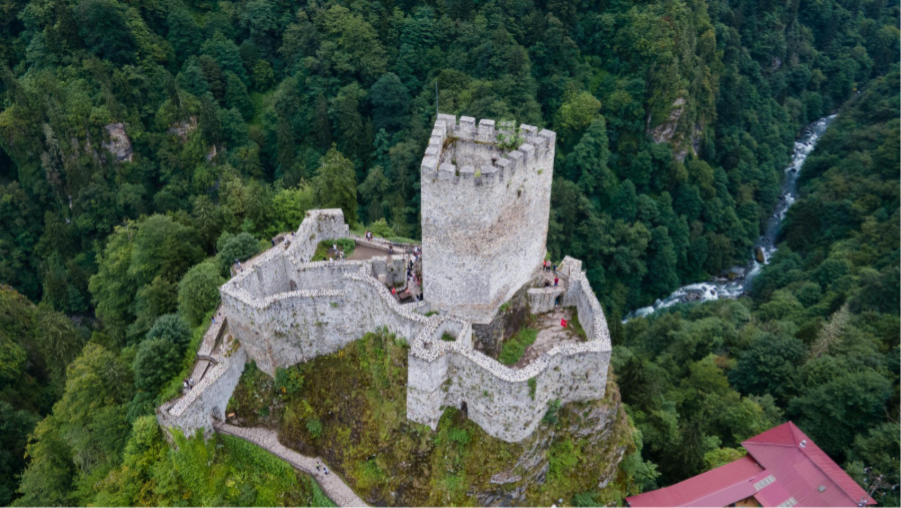
Somewhere between long village breakfasts and steep mountain drives, a decision was made to revisit Zilkale. Rising roughly 750 metres above sea level, the nearly 700-year-old castle has long appeared less constructed than carved into the valley itself. On this visit, however, it was neither the stone walls nor the dramatic views that lingered most. Instead, it was a sentence on an informational sign: a reference to the hundreds of glacial lakes scattered across the eastern Black Sea mountains.
Glacial lakes, in Rize?
Until the 2010s, the term “glacial lake” rarely entered everyday vocabulary. Glaciers are familiar as a concept, but the idea that frozen processes high in the mountains actively shape water systems, risks, and livelihoods far beyond them often feels abstract. That abstraction tends to dissolve only when science is connected to lived experience, when climate research moves from distant ice fields into daily realities, as explored in the Everything Is Changing episode with Pascal Egli for the CryoSCOPE project.
The Kaçkar Mountains, which dominate Rize’s skyline, host nearly two hundred glacial lakes, some mapped and many unnamed. Dozens of glacial valleys cut through the range, with at least 31 officially identified glacial lakes sitting between 2,700 and 3,700 metres above sea level. Formed by retreating glaciers that once filled these valleys, they have been described as blue beads scattered across the mountains. From below, however, they are largely invisible, unless one knows where to look. That invisibility is part of the challenge.
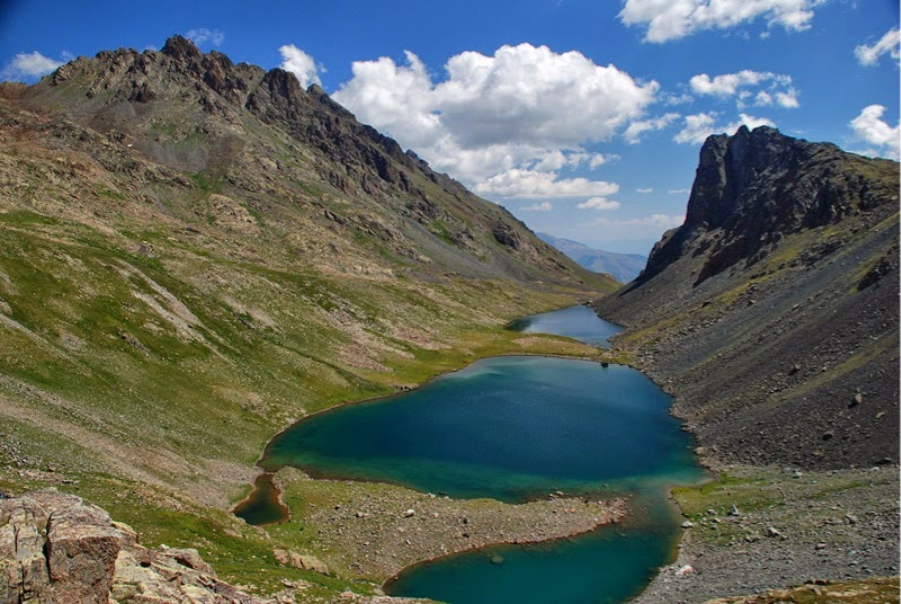
These glacial lakes are modest in scale, nothing like the vast, roaring Himalayan glaciers. But small does not mean insignificant. The cryosphere, which includes glaciers, snow, permafrost, and sea ice, functions as a global freshwater reservoir. Around 1.5 billion people depend on seasonal glacier melt for drinking water, agriculture, and hydropower. When glaciers retreat, the consequences rarely remain confined to high altitudes. They travel downstream, sometimes gradually, sometimes with sudden force.
Around 1.5 billion people depend on seasonal glacier melt for drinking water, agriculture, and hydropower.
One of the central concerns in contemporary cryosphere research is how frozen systems interact with water and the atmosphere, and what happens when those interactions destabilise. Glacial lakes, while visually striking, can also pose serious risks. As ice melts, lakes may expand rapidly, often held back only by loose rock or ice. When these natural dams fail, glacial lake outburst floods can devastate downstream valleys within minutes. This is not a theoretical concern. Such events have already been documented in the Alps and the Himalayas, and they are increasingly appearing in regions where communities feel unprepared.
Standing near Zilkale, surrounded by dense forests and mist-covered slopes, it feels counterintuitive to associate the landscape with terms like “outburst floods” or “methane feedback loops.” Yet few people realise that communities in this region quite literally live beneath hundreds of glacial lakes. Bridging that gap between quiet landscapes and complex climate processes is precisely what much climate research now seeks to do.
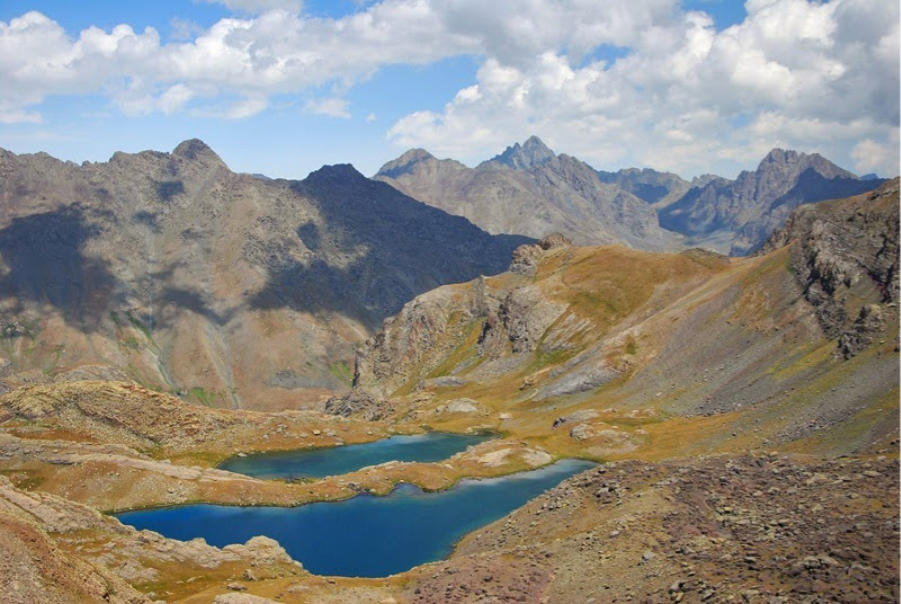
Across Europe and beyond, warming winters are already bringing rain instead of snow, destabilising glaciers, and thawing permafrost that can unglue entire mountainsides. Studies on different glacial lakes show that climate change does not affect glacial lakes uniformly: some expand, others shrink or disappear altogether. The eastern Black Sea is no exception. Its glacial systems, though rarely discussed, are not static.
What stands out most is how rarely these changes enter everyday conversation, particularly in regions where nature feels abundant and eternal. Rize is often described as endlessly green, endlessly wet, endlessly alive. Glacial lakes quietly challenge that sense of permanence. They are reminders that even here, above the tea fields and villages, the climate system is shifting.
This journey did not produce a glaciologist, nor did it yield technical mastery of cirques or moraines. What it did produce was a connection, between family geography and the language of climate science. It reframed the cryosphere not as a distant Arctic abstraction, but as a fragile neighbour, suspended above familiar roads and valleys.
Climate stories often begin with catastrophe or conclude with policy. This one began with a village road, a mountain castle, and a single sentence on a sign. Sometimes understanding does not start with urgency, but with curiosity.