
Why India’s Climate Intelligence Mission Needs a Modern Upgrade
India’s National Mission on Strategic Knowledge for Climate Change lays important groundwork for addressing the climate crisis – but it needs key updates to fulfil its potential.
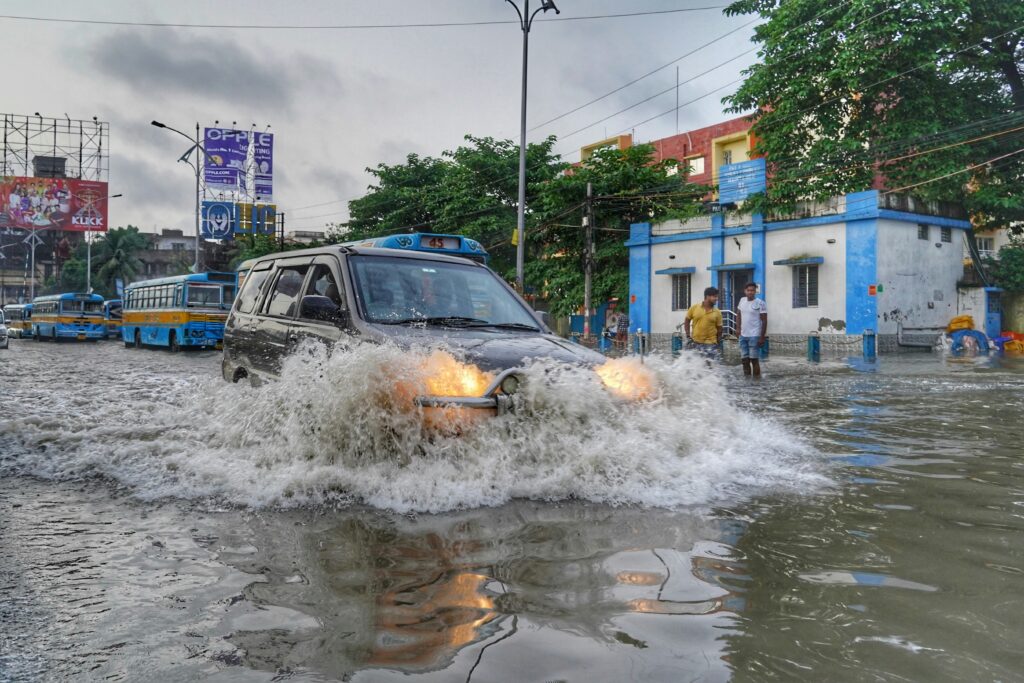
India is facing growing climate risks. Heatwaves are becoming more frequent, monsoon patterns are shifting, water systems are under pressure, and rapidly expanding cities are becoming more vulnerable to extreme weather. These changes affect agriculture, public health, energy demand, and infrastructure. As India continues to develop, the need for reliable climate information and long-term planning is more urgent than ever. Preparing for climate change is not only about responding to emergencies, it is about understanding future risks and acting early.
The National Mission on Strategic Knowledge for Climate Change (NMSKCC) is central to this effort. Created under the National Action Plan on Climate Change in 2010 and updated in 2022, the mission aims to strengthen the scientific foundations of India’s climate response. Its goals include expanding climate research, improving observation networks, building accessible data systems, and encouraging collaboration between researchers, governments, and industry. Above all, the mission recognises that India’s climate challenges require India-specific knowledge. Generic global models cannot fully capture the behaviour of the Indian monsoon, the sensitivity of Himalayan ecosystems, or the pressures on fast growing cities.
Over time, the mission has helped widen the scope of climate research and strengthen the country’s scientific capabilities. Institutions such as the Indian Institutes of Technology (IITs), the Indian Institute of Science (IISc), the National Centre for Medium Range Weather Forecasting (NCMRWF), and the Indian Institute of Tropical Meteorology (IITM) have contributed to climate trend analysis, model development, and early warning systems. The mission has supported vulnerability mapping, improvements in observation infrastructure, and training programmes that prepare the next generation of climate scientists. These efforts form an essential base for a climate-ready India.
Preparing for climate change is not only about responding to emergencies, it is about understanding future risks and acting early.
However, the mission also faces challenges that limit its impact. Climate data in India is still scattered across many agencies, making it difficult for users to find and combine information. State governments, municipal bodies and smaller industries often lack simple tools that translate scientific knowledge into practical decisions. Coordination between research and policy varies across sectors, and funding cycles are not always long enough to support advanced modelling or multi-year research programmes.
These challenges can be turned into opportunities for the next phase of the mission. Three priorities stand out.
First, India can create a unified national climate data platform that brings together historic records, current observations, socioeconomic indicators, and future climate scenarios. A shared platform would help planners, researchers and businesses work with consistent and high-quality information.
Second, the mission can enable deeper interdisciplinary collaboration. Climate change affects water, health, infrastructure, agriculture and finance, and meaningful solutions will come from research teams that connect these domains. India already has strong scientific institutions, and the mission can bring them together more effectively.
Third, the mission can focus on converting scientific insights into decision tools. Whether designing resilient cities, planning power systems or supporting farmers, users need accessible and sector specific climate information.
The NMSKCC represents India’s commitment to building climate intelligence. By improving data access, supporting collaboration, and turning research into real world guidance, the mission can help India manage risk and strengthen resilience. Its promise lies not only in understanding a changing climate but in helping the country navigate that change with confidence.


Join Planet
REVOLVE today
We strive to communicate sustainability for a better world for the next generations.
Support us by becoming a member of REVOLVE Planet today.
Become a Member