Ecosystems, Water // VIEWS

The world’s frozen regions are warming at more than twice the global average, reshaping landscapes that play an outsized role in regulating climate and water systems far beyond the poles and high mountains. Glaciers, snowpacks and permafrost act as natural reservoirs, releasing water gradually across seasons. As these systems destabilise, the consequences ripple downstream affecting water security, ecosystems, infrastructure and communities from the Himalayas to the Arctic.

CryoSCOPE is an EU-funded Horizon Europe research project designed to better understand these changes by examining the physical and chemical processes linking the cryosphere, atmosphere and hydrosphere. Rather than studying ice, snow or water in isolation, the project takes an integrated approach, combining advanced field observations, remote sensing, artificial intelligence and state-of-the-art modelling to capture how these systems interact — and how climate change is altering their balance.

The project currently operates across 10 field sites in six of the world’s most climate-vulnerable frozen regions: mainland Norway, Svalbard, Finnish Lapland, Iceland, the Swiss Alps and the Indian Himalayas. These sites are often remote and difficult to access, shaped by extreme weather and rapidly changing environmental conditions. Yet it is precisely this complexity that makes them essential laboratories for understanding futurce climate and water dynamics.
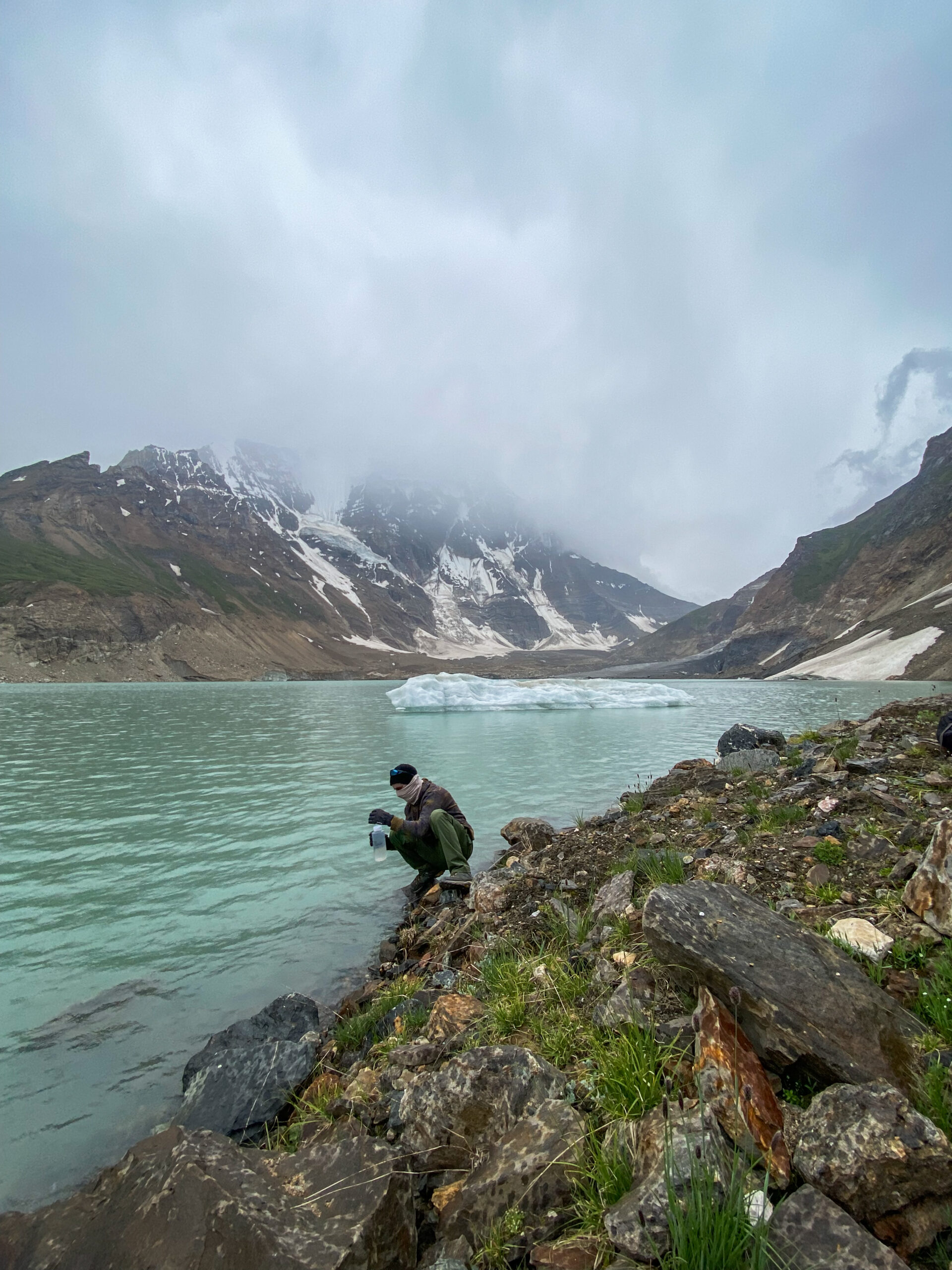
Faisal Zahoor Jan (PhD scholar) collecting water samples for microplastic analysis during the field visit in the catchment. Photo: Shahid Younis Bhat / University of Kashmir 
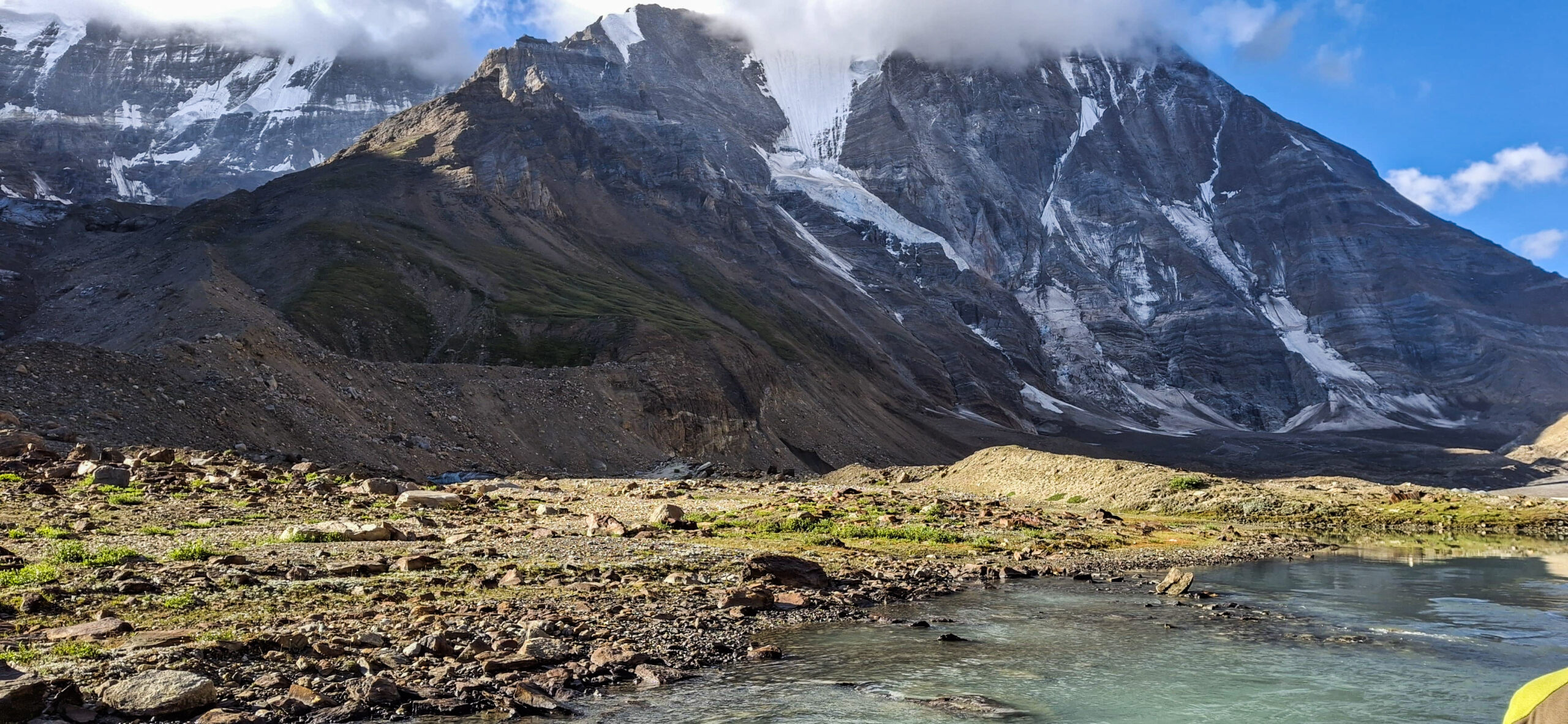
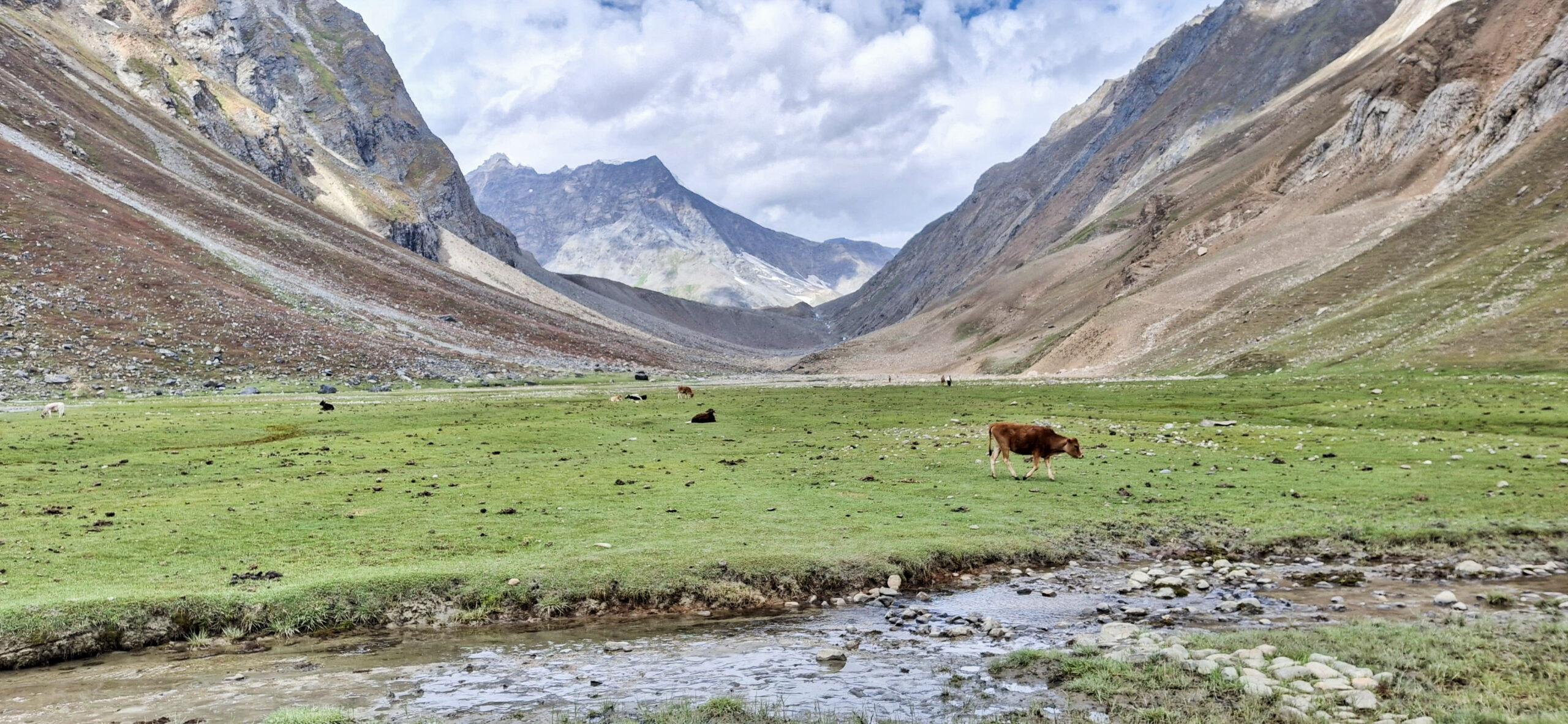
An extensive view of the outwash plain within the catchment, showcasing debris cones and moraines. Photo: Shahid Younis Bhat / University of Kashmir 
Side of a lake featuring the lateral moraine of the adjacent glacier along with the Lamo glacier in the back. Photo: Shahid Younis Bhat / University of Kashmir 
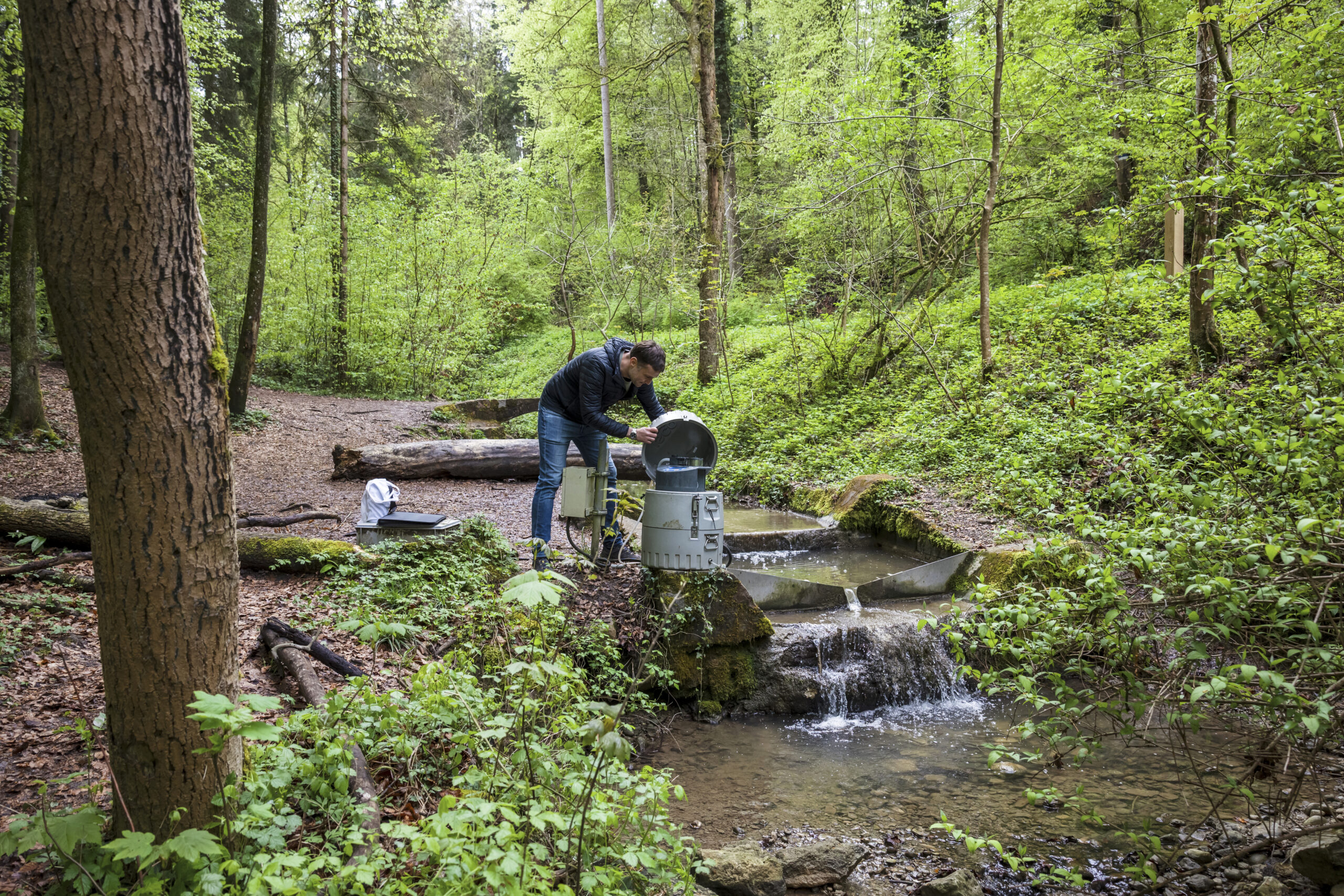
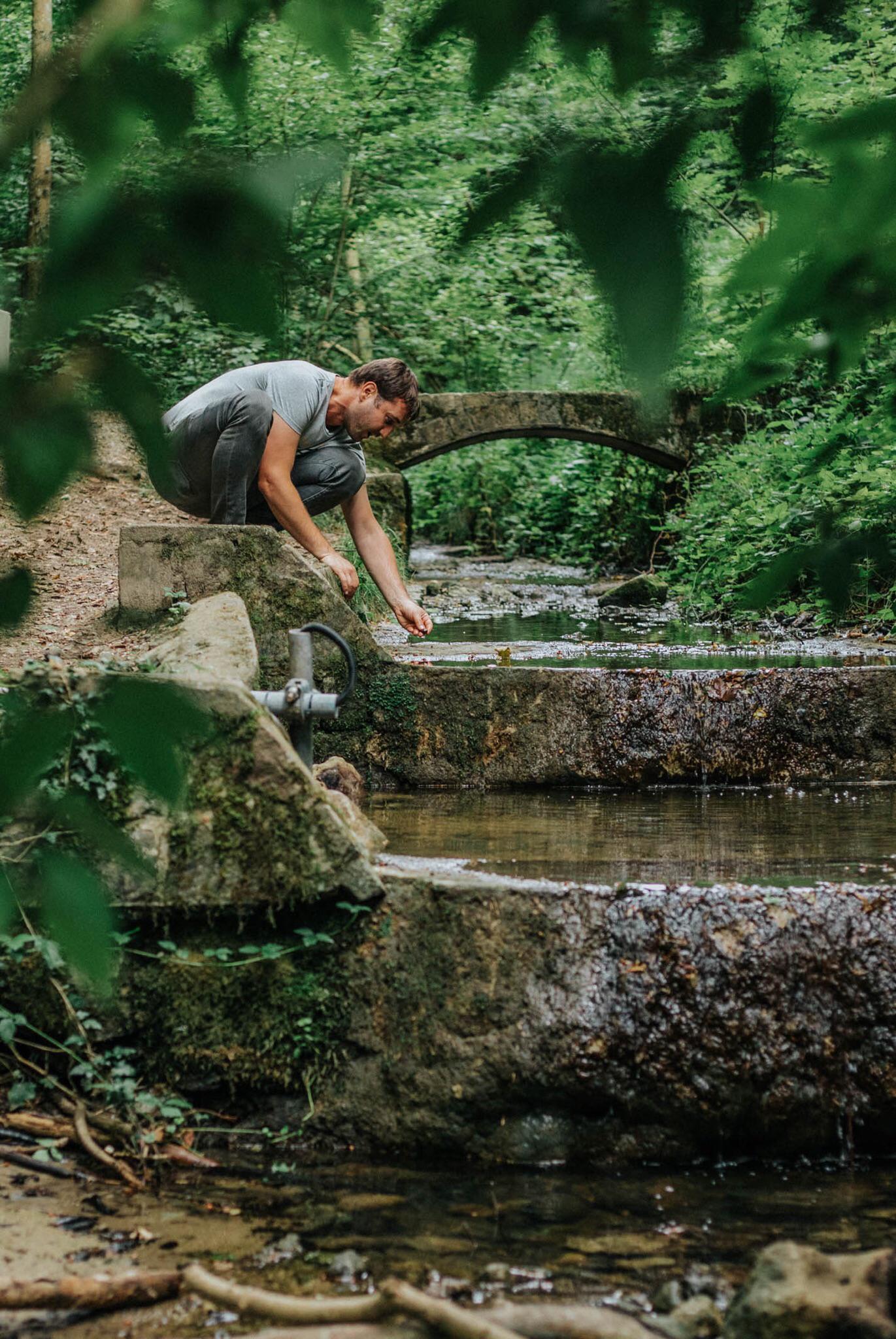
At the WaldLab Forest Experimental Site, researchers study how water moves between soil, plants, and the air. Photo: Alessandro Della Bella  
WaldLab uses a wide range of tools to track how water moves between soil, plants, and the air. Photo: Dr Marius Floriancic / ETH Zurich  
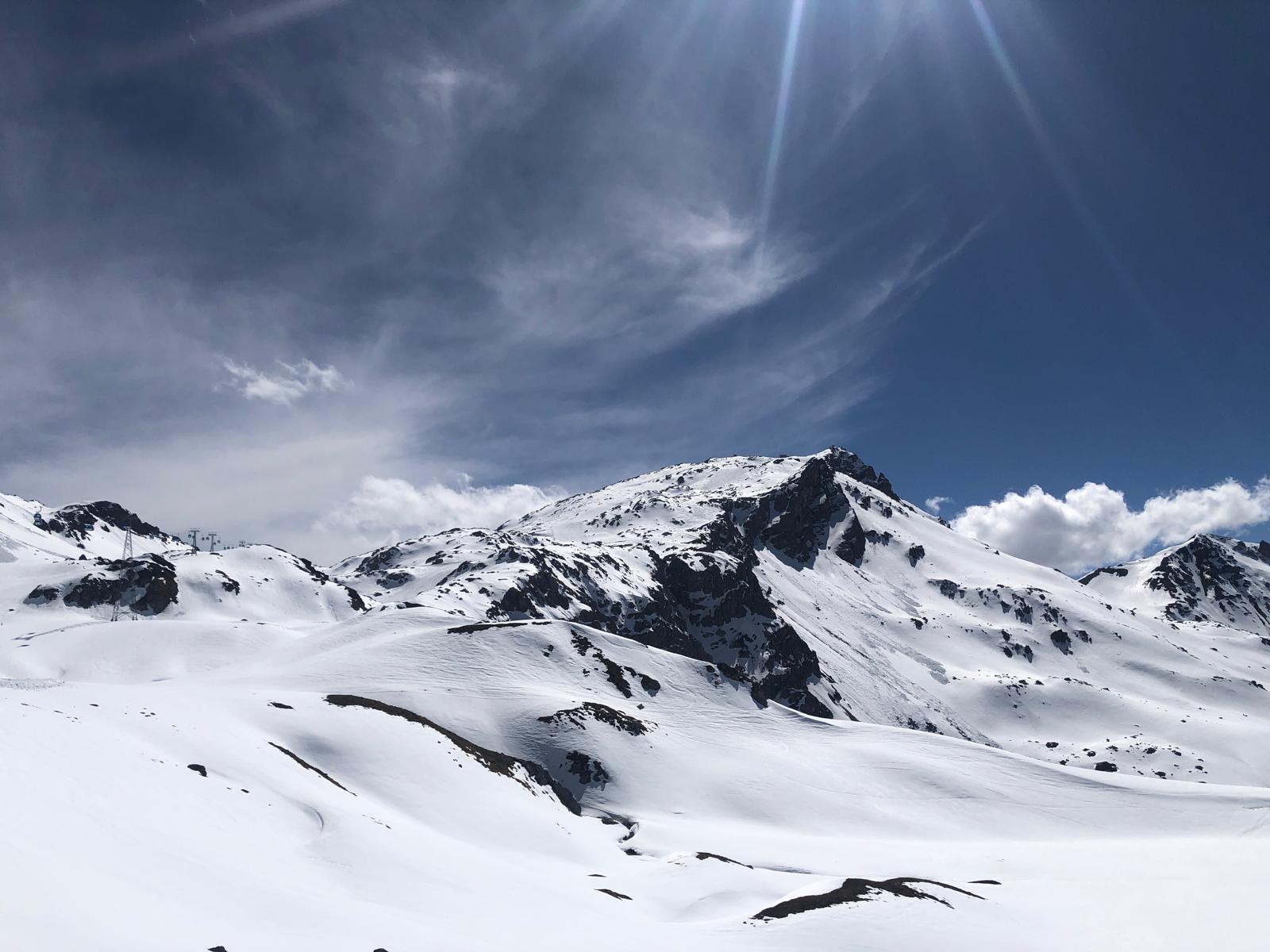
View of mountains close to the Weissfluhjoch. Photo: Isabella Anglin 
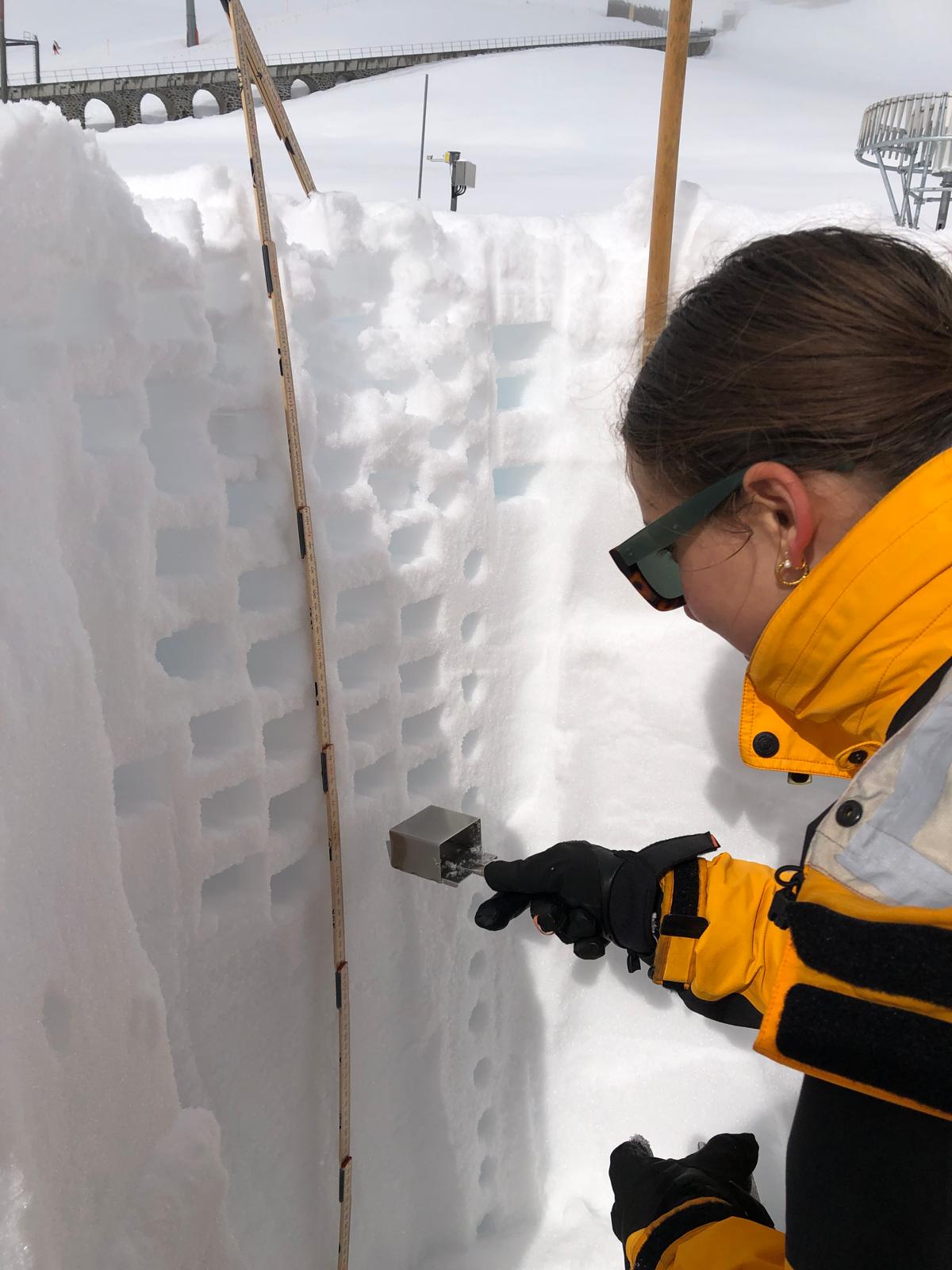
Leah Gaillard Festa using a density cutter to determine the snow density during sampling of a full snow profile. Photo: Isabella Anglin 
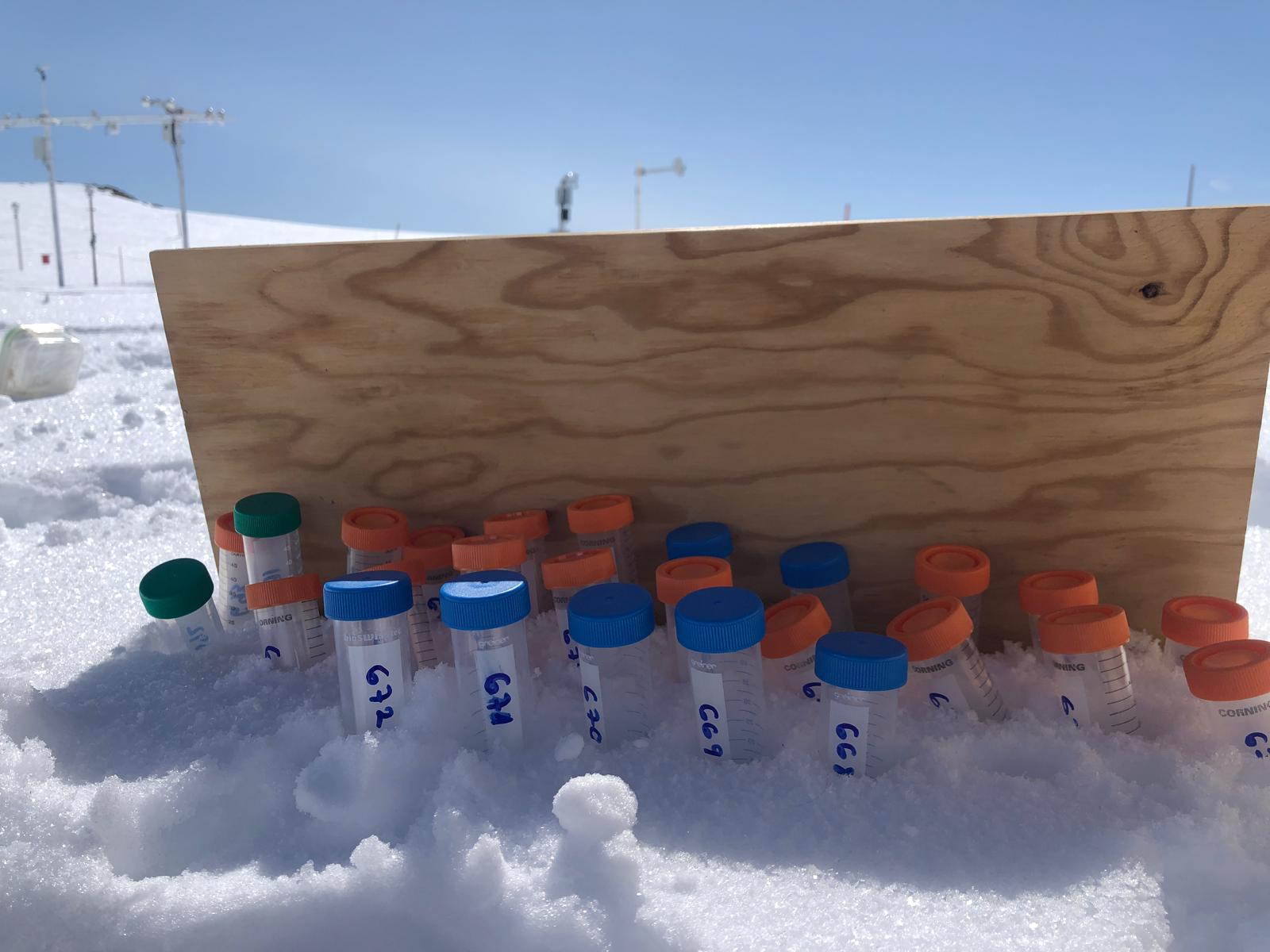
Collected snow samples stored in the shade and cooled the snow. Photo: Isabella Anglin 
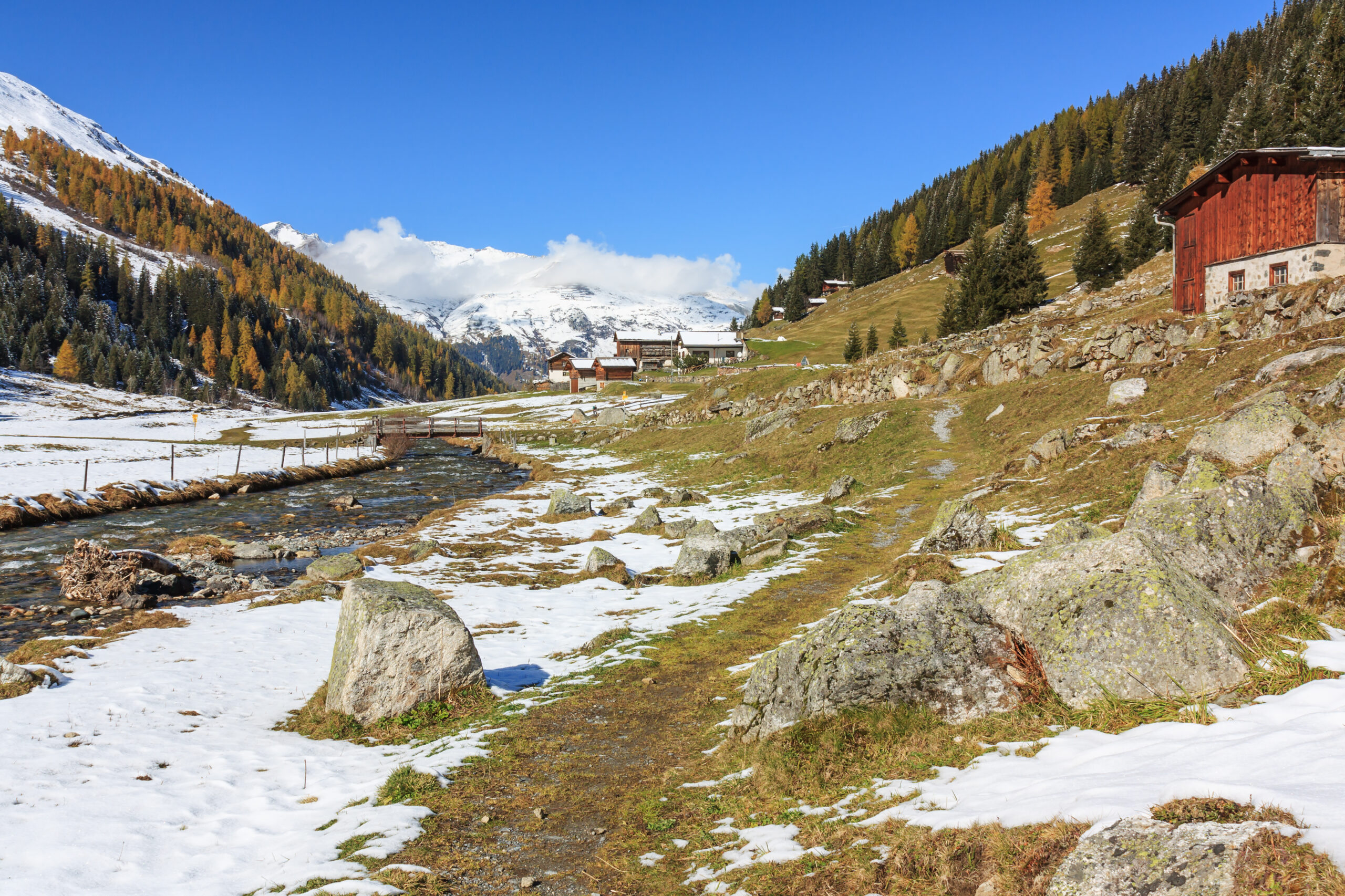
The Dischmabach catchment in eastern Switzerland – the Dischmabach creek flows through the Dischma Valley. Photo: Thorsten Schier / Shutterstock
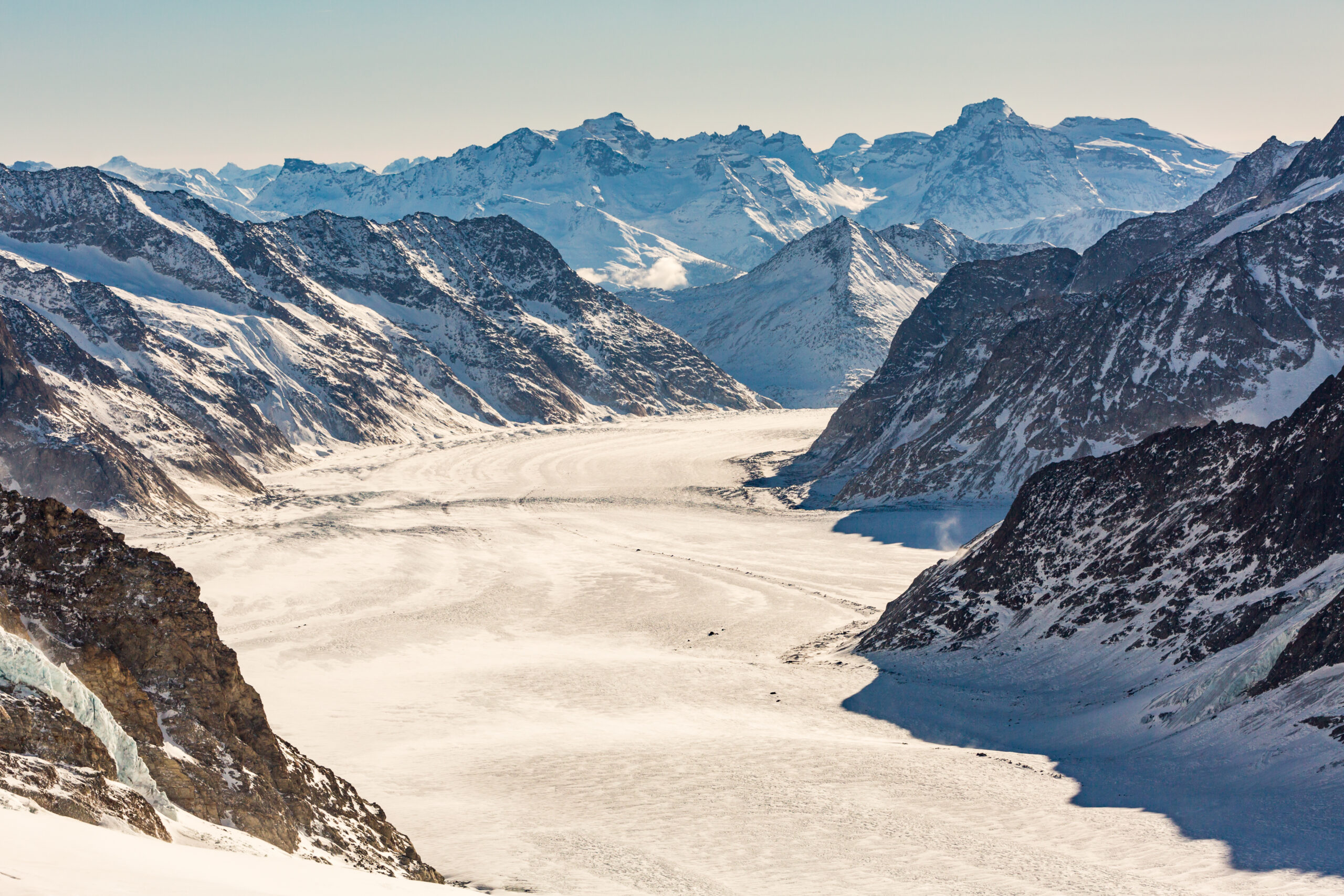
View to the Great Aletsch Glacier (Grosser Aletschgletscher). Photo : Oscity / Shutterstock
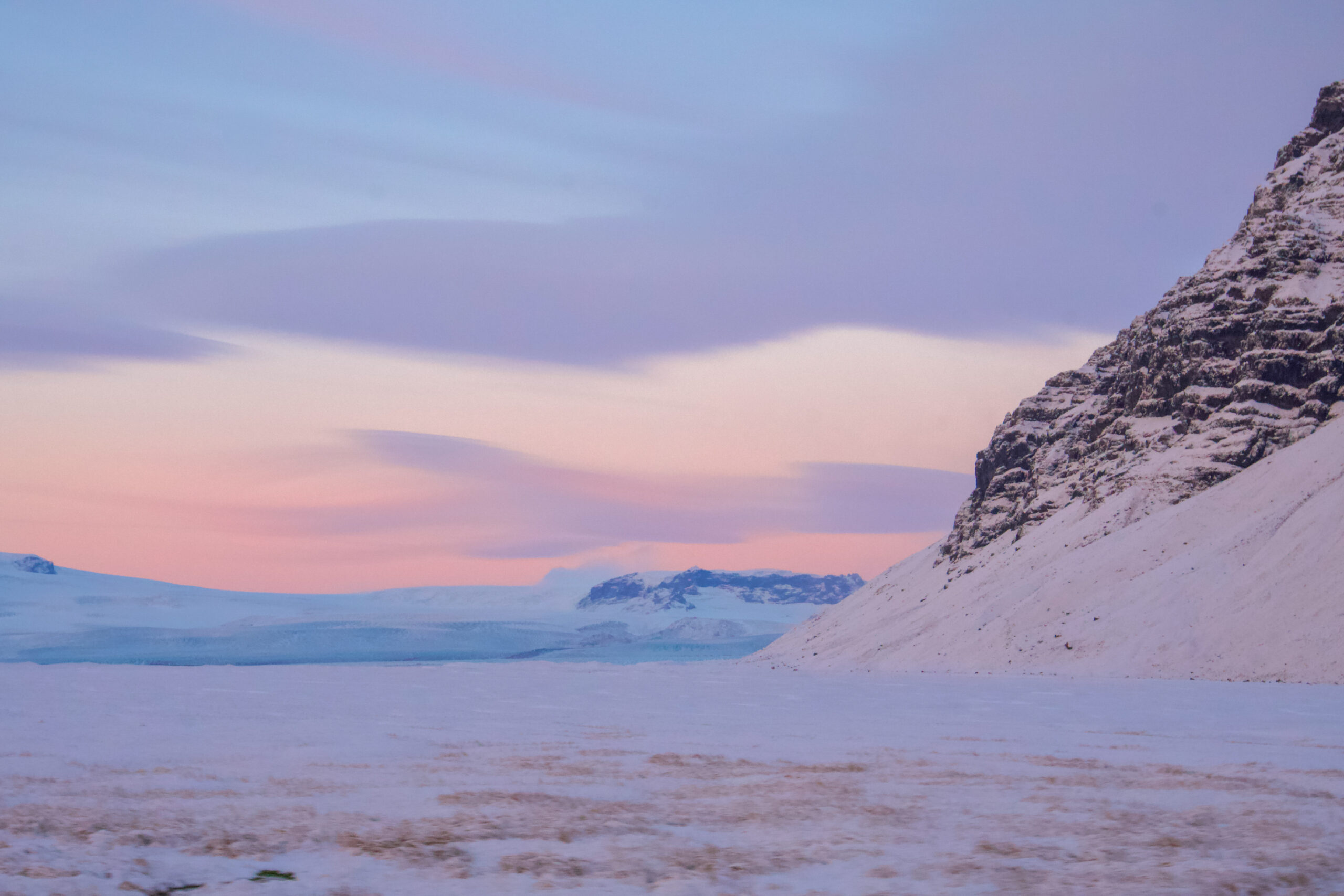
Fieldwork on Vatnajökull, Iceland’s largest icecap, is a demanding endeavor, shaped by Iceland’s harsh weather, remote landscapes, and rapidly changing climate. Photo: Hollie Fisher / REVOLVE 
Projections indicate continued glacier volume loss of 40–50% by the end of the 21st century, which will profoundly affect water availability and energy systems.Photo: Hollie Fisher / REVOLVE 
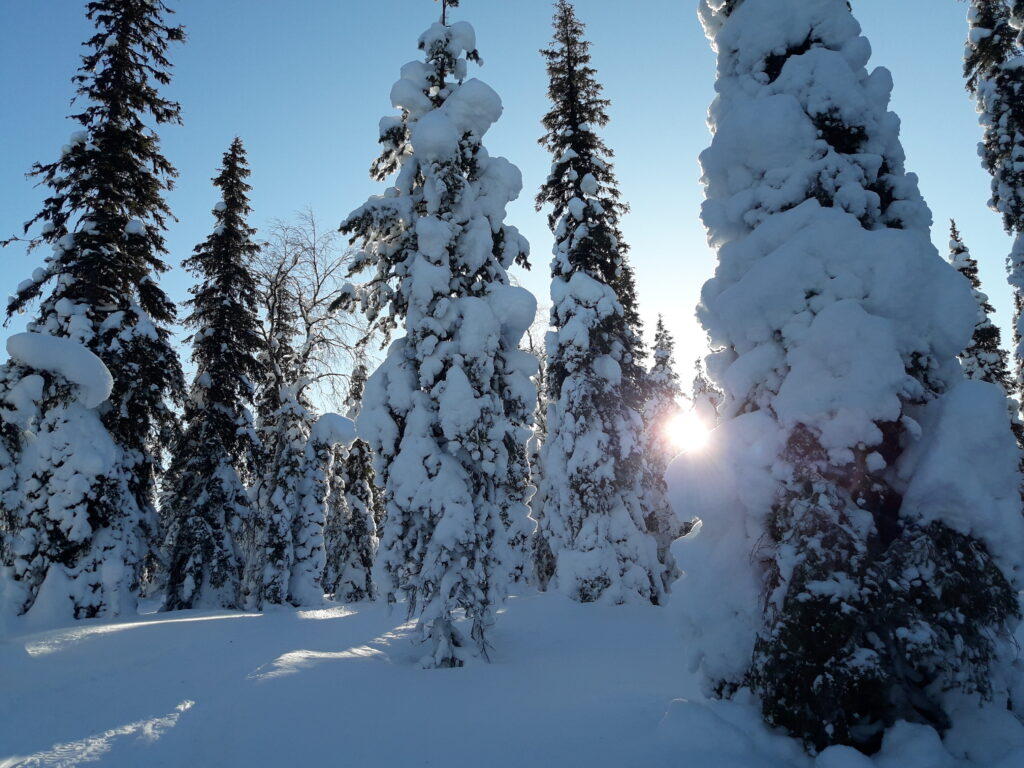
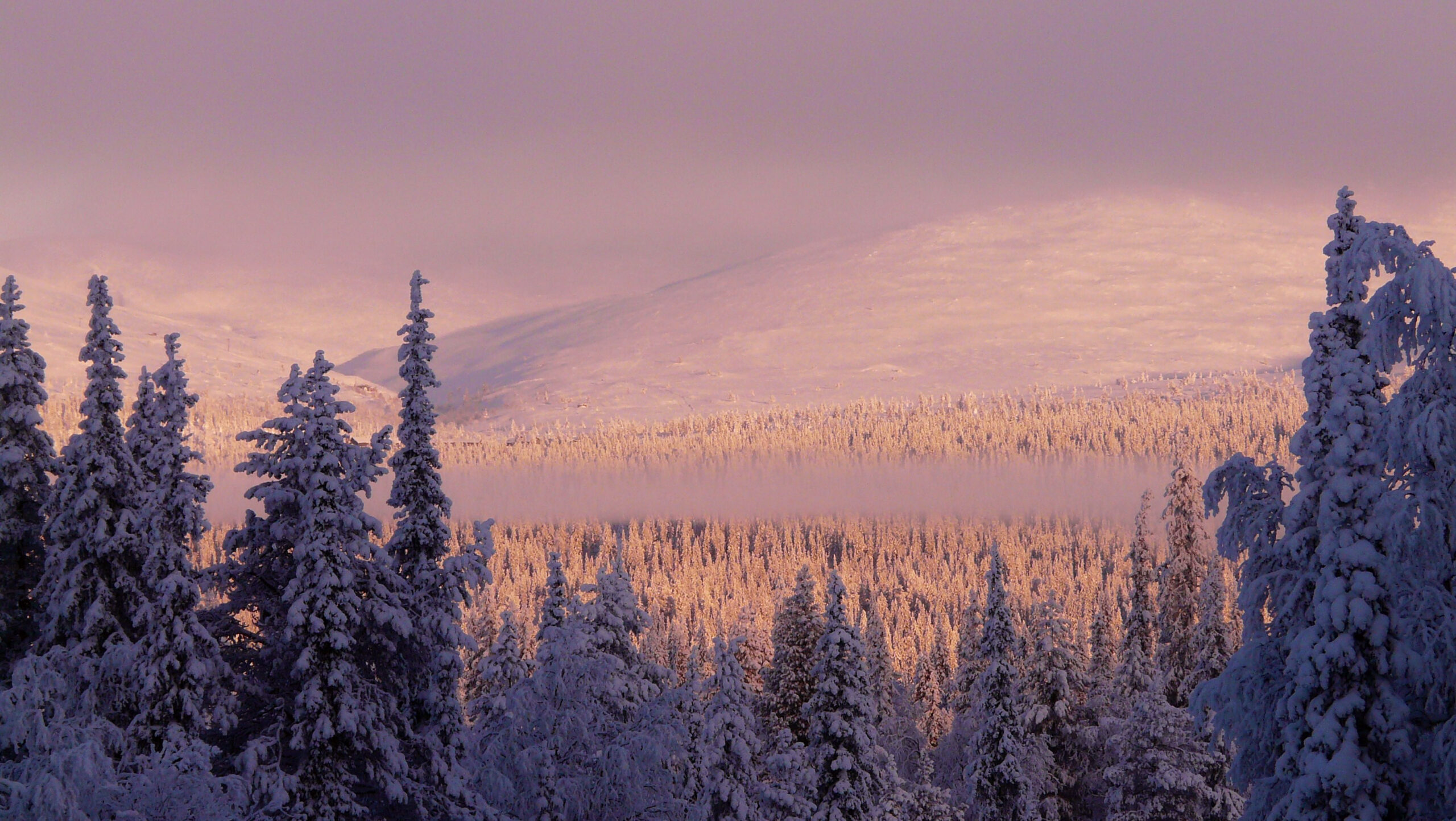
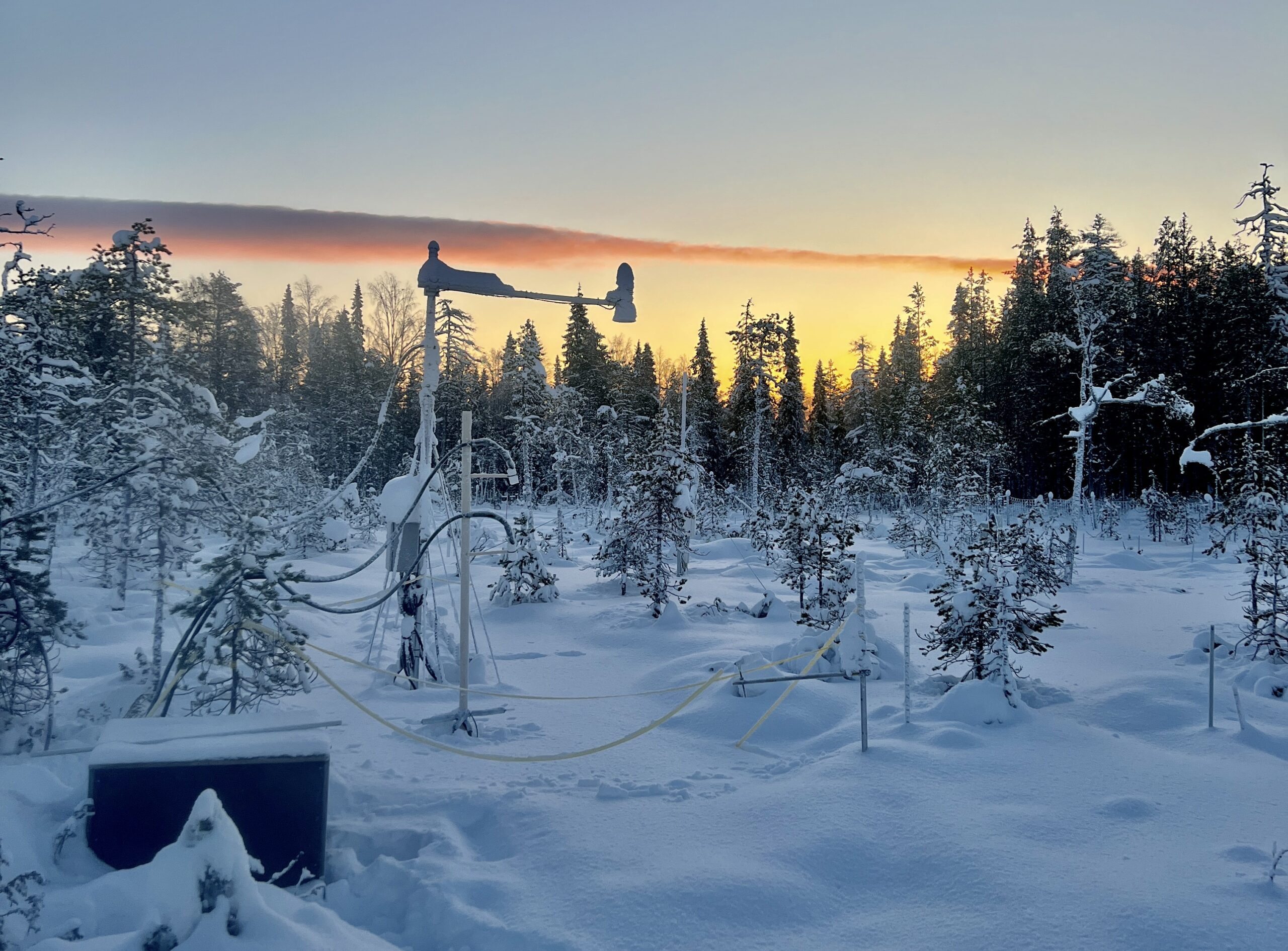
The Pallas Research Site, situated 130 km north of the Arctic Circle in subarctic Finland, next to Lake Pallas and Pallas–Yllästunturi National Park. Photo: Pertti Ala-aho / University of Oulu
Pallas Yllästunturi National Park. Photo: Ximonic, Simo Räsänen / Wikicommons
Measurement setup at the Oulanka Research Station. Photo: Shaakir Shabir Dar
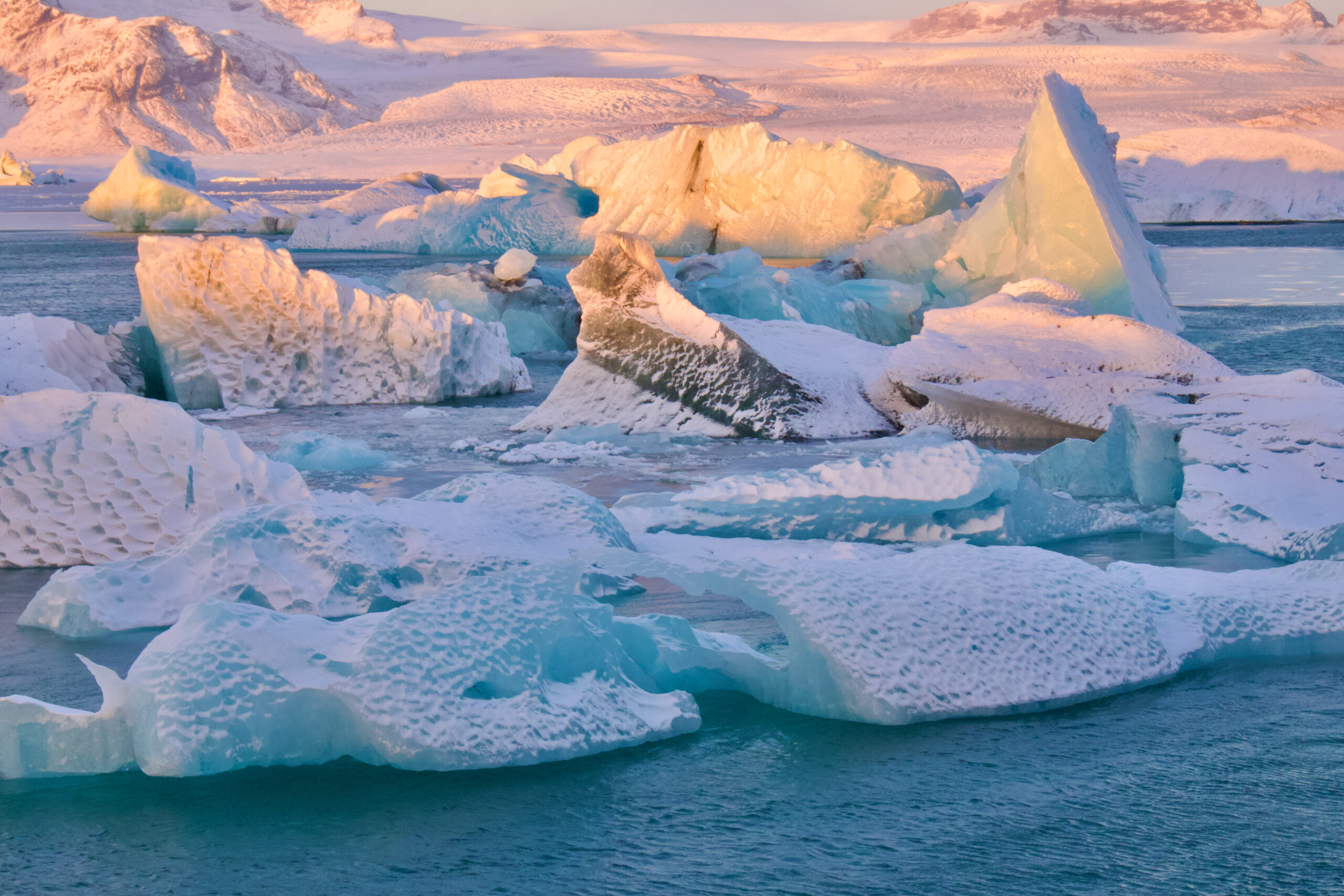
Iceberg on a proglacial lake at Rembesdalskåka site in Hardangerjøkulen, Norway. Photo : Pascal Egli / NTNU 
Accessing the (now almost empty) ice-dammed lake. Photo: Pascal Egli / NTNU 
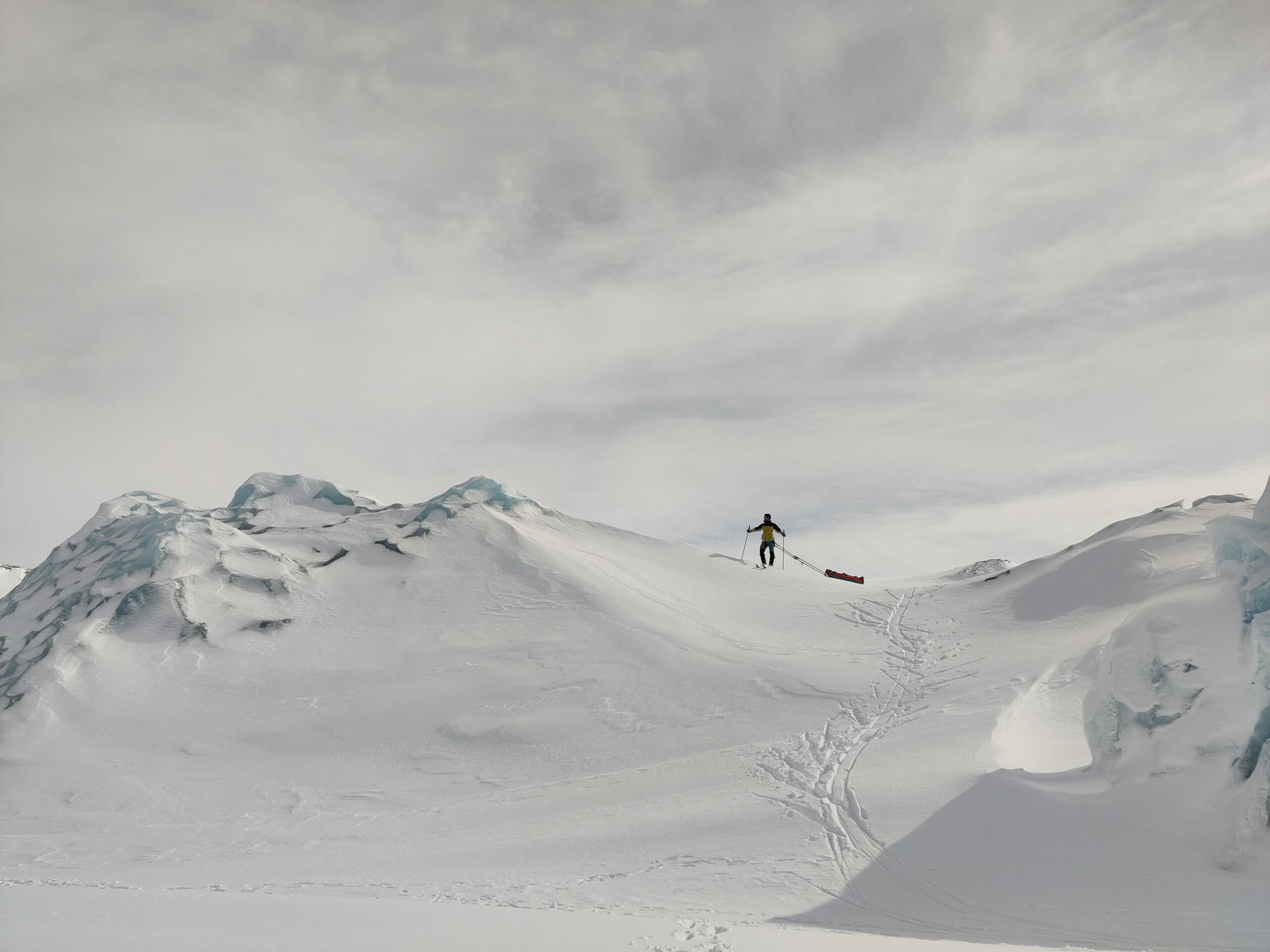
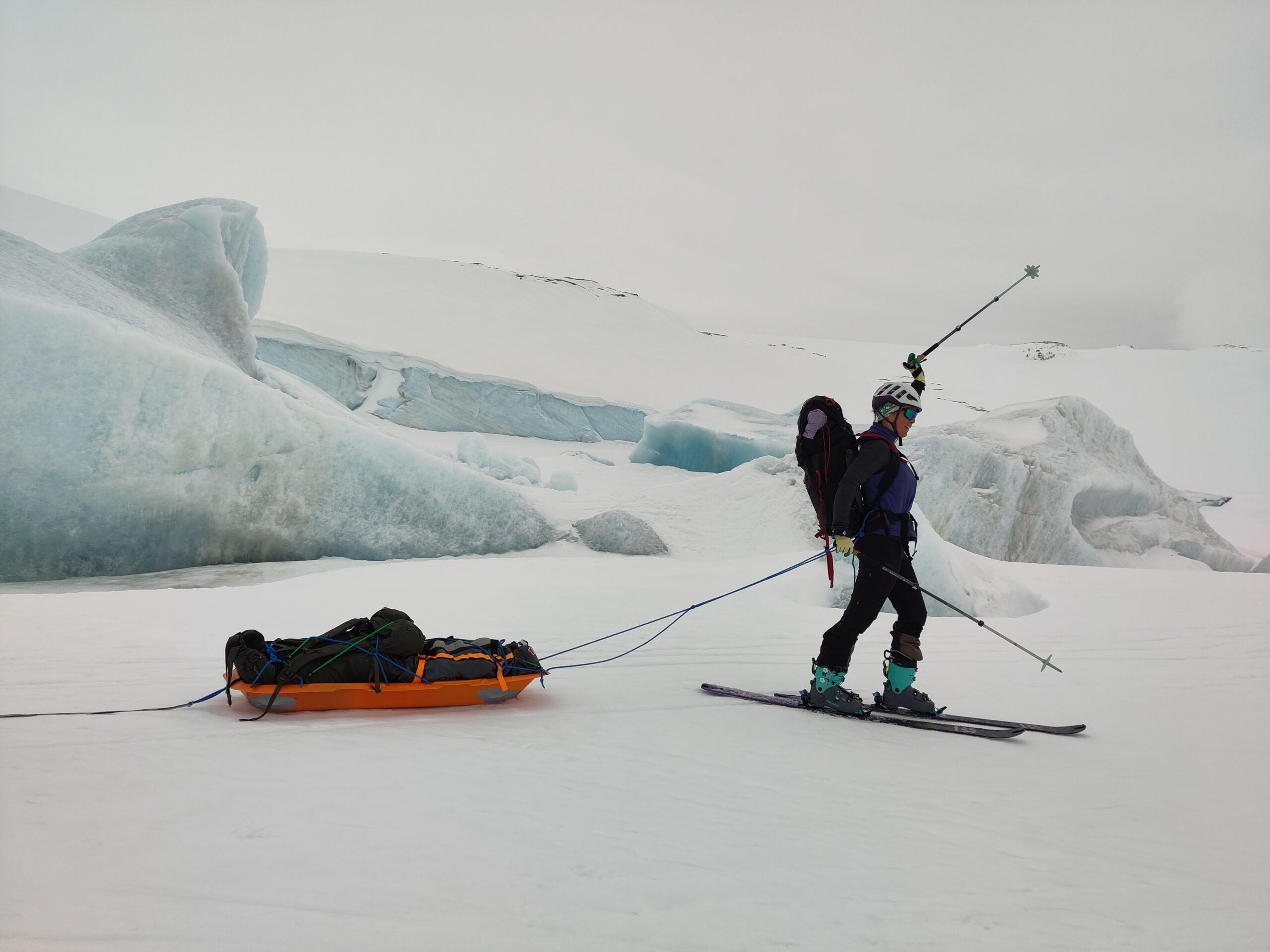
Skiing over a frozen pro-glacial lake (calving front and icebergs visible) on the way to Rembesdalskåka glacier and Demmevasshytta. Photo: Pascal Egli / NTNU 
 
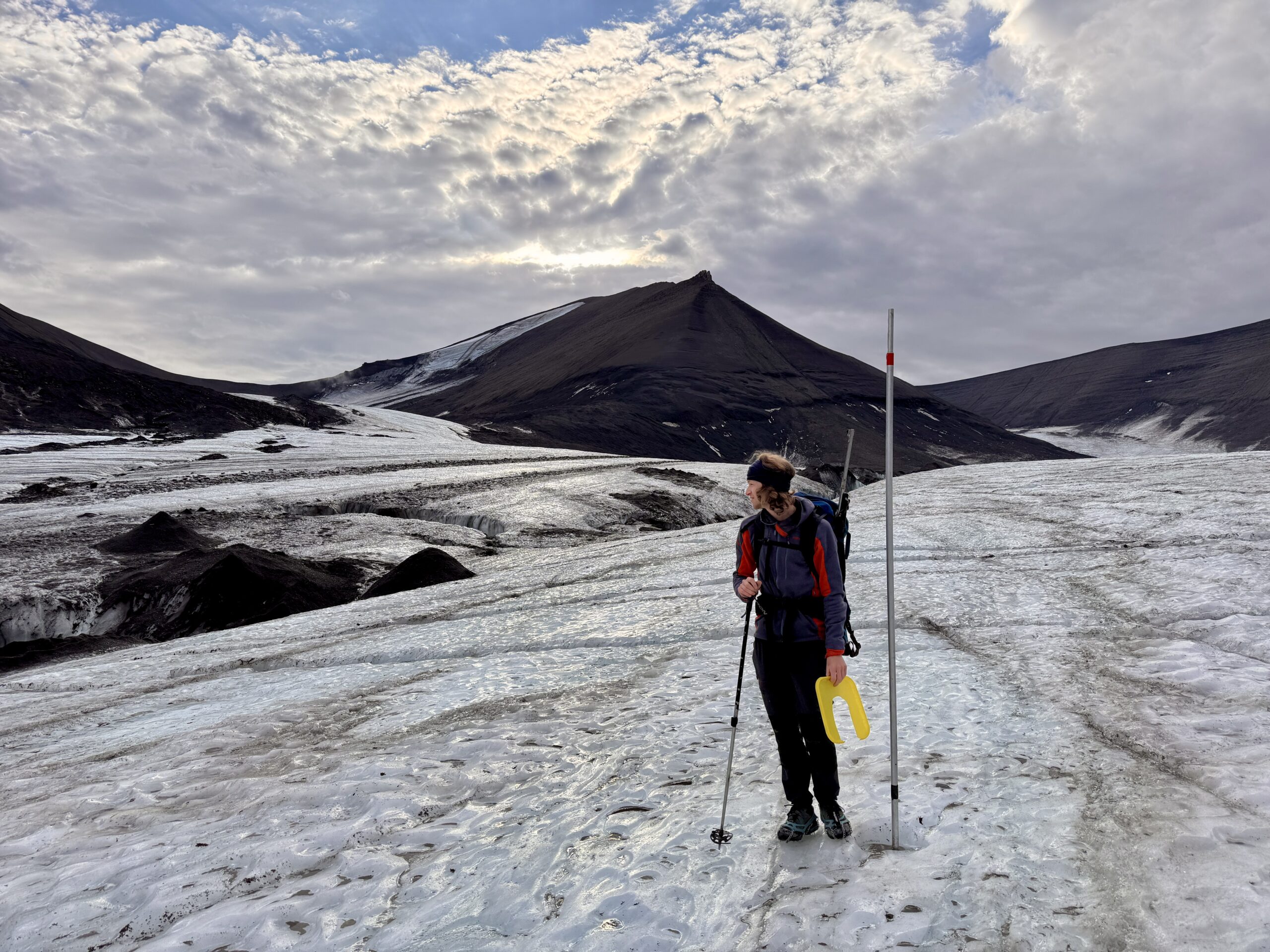
Measuring one of our ablation stakes in early September, 2025 on Scott Turnerbreen. Photo: Marjolaine Verret /  The University Centre in Svalbard 
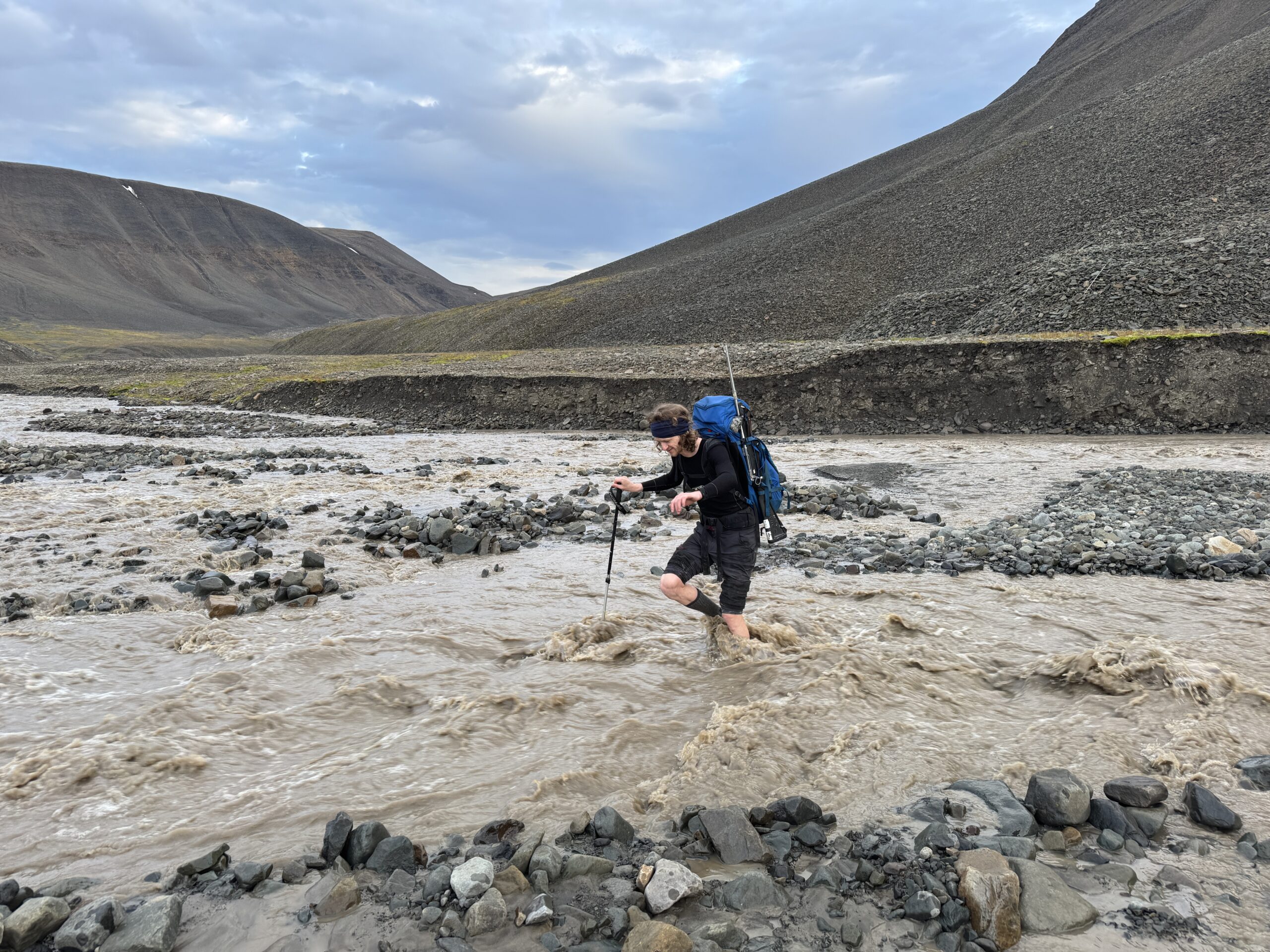
The journey to Scott Turnerbreen, crossing the riverbed on 9 September 2025. Photo: Marjolaine Verret / The University Centre in Svalbard 
 
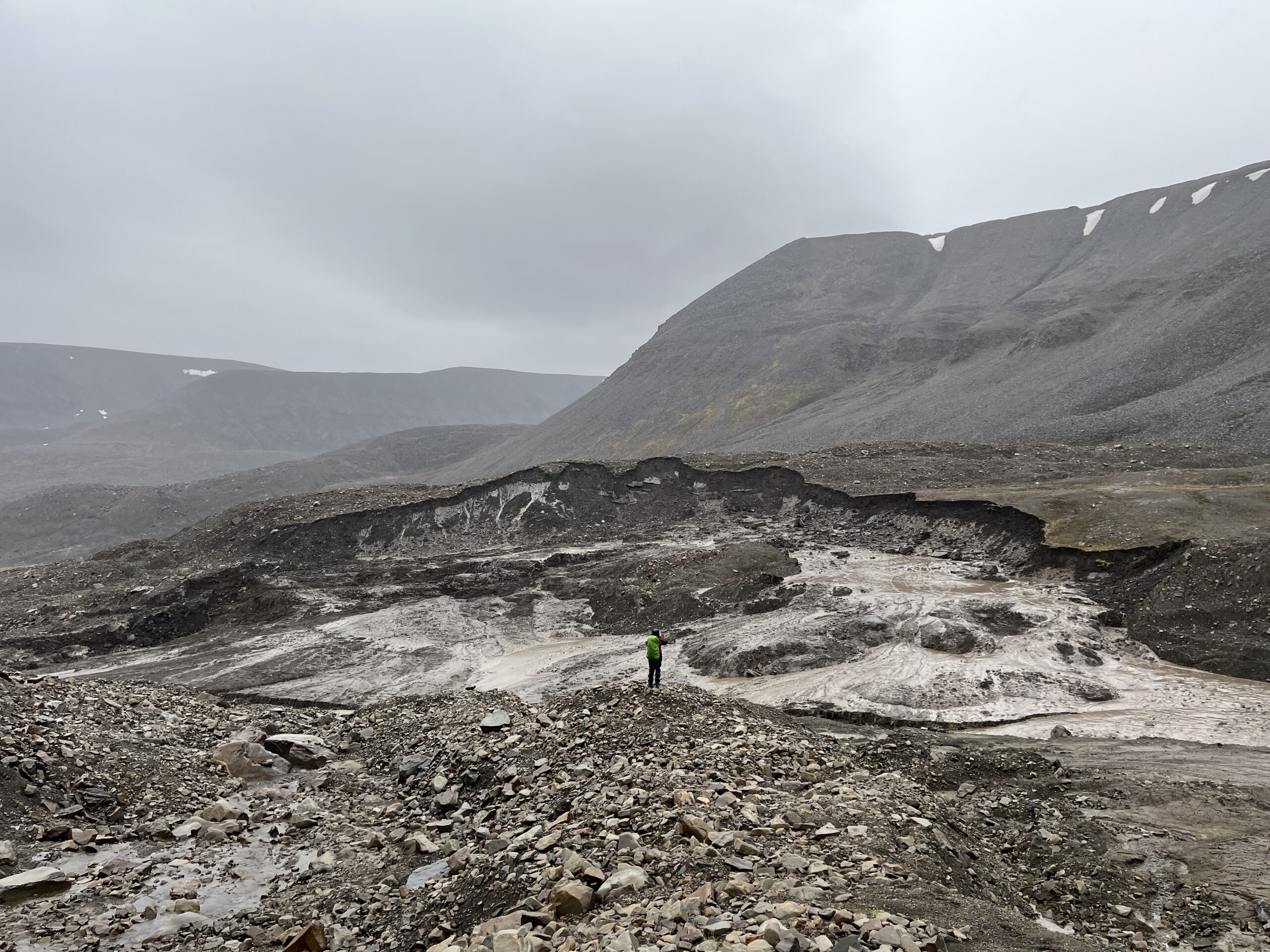
The journey to Scott Turnerbreen, crossing moraine, including the fast-developing retrogressive thaw slump 26 August 2025. Photo: Knut Tveit 

Discover Sustainable India