
Building Climate Resilient Farms Through Sustainable Agriculture
India’s National Mission for Sustainable Agriculture offers a pathway to strengthen farming systems against rising climate risks.
India’s agriculture is under growing strain from a rapidly changing climate. Heatwaves arrive earlier each year, monsoon patterns have become unpredictable, and floods and droughts often strike the same region within months. Soil fertility is declining in many states because of long-term chemical dependence, and groundwater levels continue to fall in major food-producing districts. Farmers today face growing risks, higher input costs and increasing uncertainty about their harvests and incomes. These problems are no longer one-off shocks. They have become the new normal, and they call for a complete rethink of how India manages its land, water and crops.
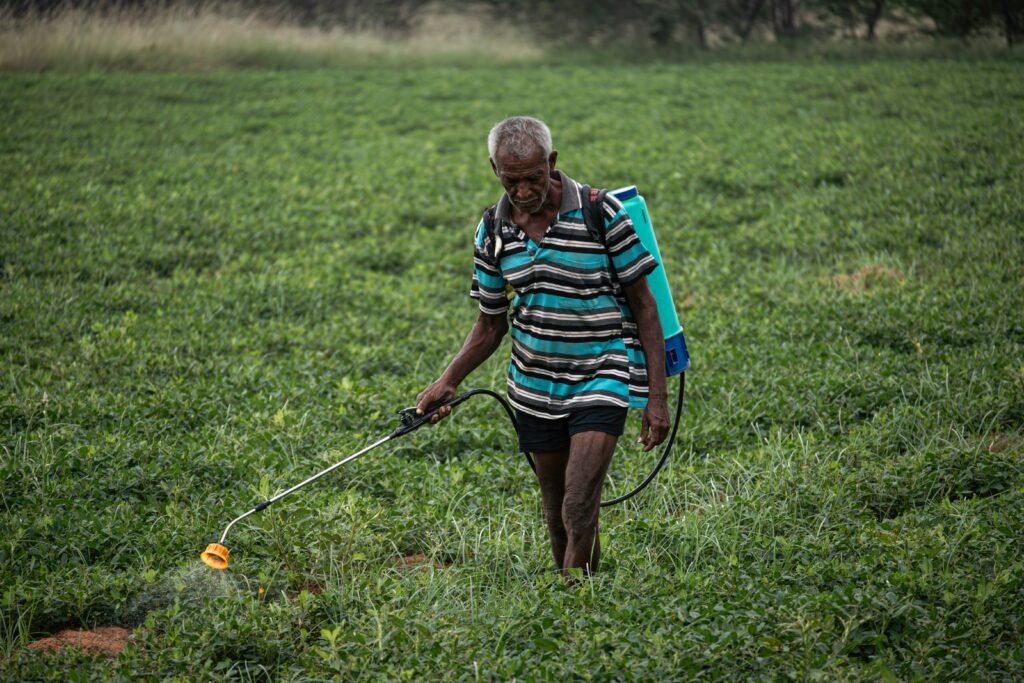
The National Mission for Sustainable Agriculture (NMSA) was created in response to these growing challenges. It seeks to build agricultural systems that can withstand climate stress while improving long-term productivity. The mission promotes practices that conserve resources, reduce vulnerability, and support holistic farm development. Its design acknowledges that climate resilience cannot be achieved through single interventions, but requires coordinated improvements in soils, water management, cropping systems, and rural livelihoods.
At the heart of the NMSA are four core pillars that together aim to build resilience in a changing climate. The first is soil health, which involves restoring organic matter, improving nutrient balance and reducing chemical dependence. Improving soil fertility is key to ensuring stable yields and food security. The second pillar is water use efficiency. With groundwater levels falling across many states, micro irrigation and water saving technologies are crucial for producing more food with less water.
Climate resilience cannot be achieved through single interventions, but requires coordinated improvements in soils, water management, cropping systems, and rural livelihoods.
The third pillar, agroforestry, integrates trees into farming systems, helping stabilise soils, diversify incomes and create natural buffers against extreme weather. The fourth is climate smart agriculture, which promotes drought tolerant seeds, improved crop varieties and integrated farming systems that spread risk and strengthen resilience.
Despite presenting a strong framework, the mission faces persistent challenges. Adoption of sustainable practices remains uneven, especially among small farmers who cannot afford the risks or upfront costs of new technologies. Extension services are often limited, leaving farmers without clear guidance on climate-smart methods. Coordination across soil, water, and agriculture departments is weak, even though resilience requires them to work together. Funding constraints also limit the mission’s reach, particularly in climate-vulnerable districts.

Even so, the opportunities are substantial. Investments in renewable energy, rural connectivity, and climate adaptation are creating new tools and support systems for farmers. Mobile advisories and remote sensing now offer real time weather and soil information. Demand for sustainably grown food is increasing. States such as Andhra Pradesh, Sikkim, and Himachal Pradesh show that large-scale transitions to organic or low-input farming are possible when policies, training, and incentives align.
If strengthened and adequately funded, the National Mission for Sustainable Agriculture can help India shift from input-intensive farming to systems that regenerate soils, conserve water, and equip farmers as frontline climate actors. The mission offers a clear pathway; the task now is to deliver it with consistency and ambition.


Join Planet
REVOLVE today
We strive to communicate sustainability for a better world for the next generations.
Support us by becoming a member of REVOLVE Planet today.
Become a Member