
Ankara’s Water, Mismanaged Again
Ankara’s water crisis is not natural disaster but political failure, paid by workers and protected by silence.
Ankara entered 2026 not merely dry, but exposed. What is unfolding in Türkiye’s capital is not an unfortunate episode of bad weather; it is the cumulative result of decades of mismanagement, profit-driven urban policy, and a water regime that protects heavy consumers while disciplining ordinary residents.
It’s hard to deny when the data paint such a vivid picture. According to the Ankara Water and Sewerage Administration (ASKİ), total water stored in Ankara’s reservoirs fell from 465.9 million cubic metres on 3 January 2025 to 194.7 million cubic metres on the same date in 2026. The more alarming figure lies beneath this headline: usable (active) water collapsed from 277 million cubic metres to just 15 million. In percentage terms, active water availability fell from 19.8% to 1.08% in one year. For a metropolitan area of more than five million people, it the sign a looming catastrophe.
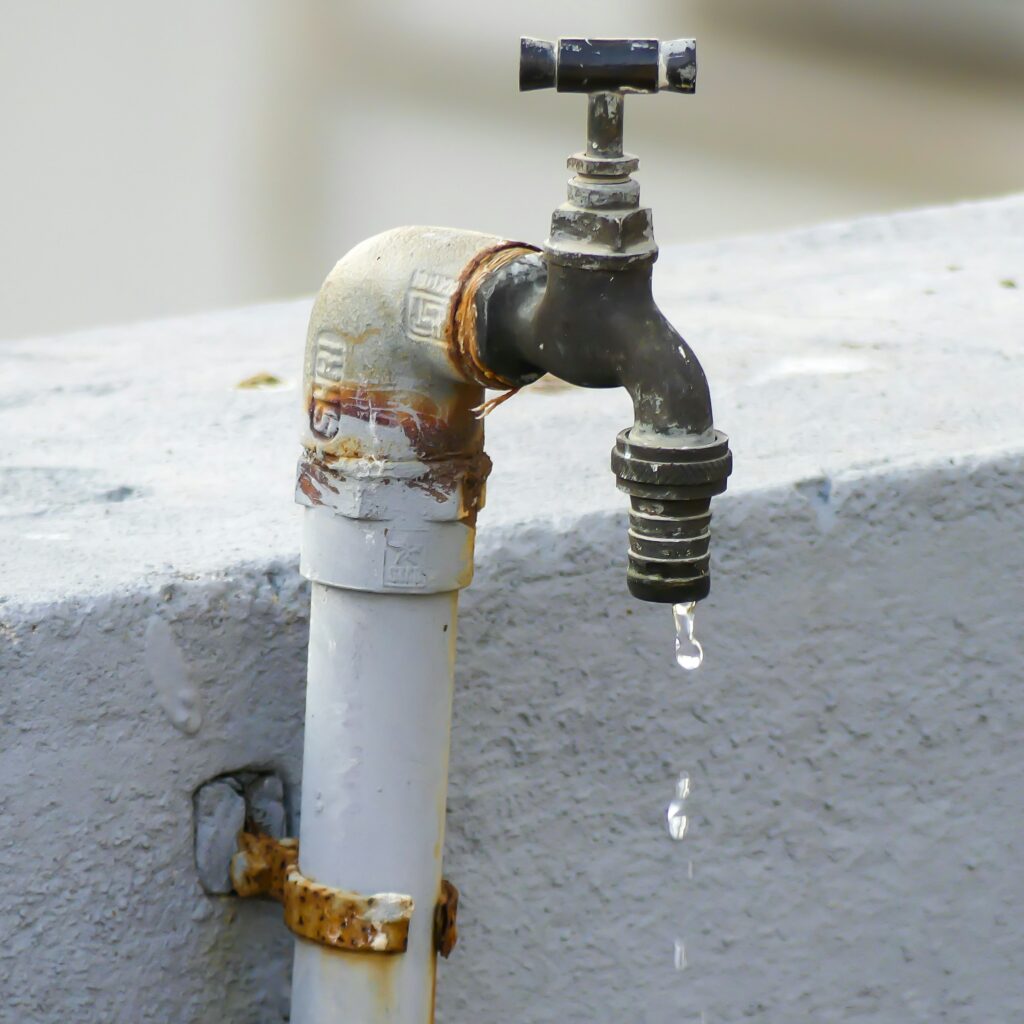
Yet the response has been very emergency oriented. Instead of institutional transparency and redistribution, Ankara’s water authorities have leaned on technical language and public restraint campaigns. Residents are told to save water, as we see in many different parts of the world, while the system that wastes it remains intact.
Looking at the sources of the Ankara’s water is crucial. On 3 January 2026, Ankara received 1.17 million cubic metres of water. More than half, over 616,000 cubic metres, came from Kesikköprü Dam, pumped at a high energy cost. Ankara is no longer surviving on gravity-fed reservoirs, but rather it is being kept alive through expensive, temporary engineering solutions. Floating pump systems are now being installed to extract the last remaining water from reservoir dead zones, an unmistakable sign of exhaustion.
Meanwhile, city life tells a different story than official briefings. In central districts such as Çankaya, Keçiören, and Yenimahalle, water routinely disappears after 5 p.m., precisely when working people return home. ASKİ describes this as “pressure management,” claiming it occurs at night to reduce leakage. But for residents, low pressure can means no water at all, especially in buildings without storage tanks. The technical distinction between “pressure reduction” and “water cuts” collapses at the kitchen sink.
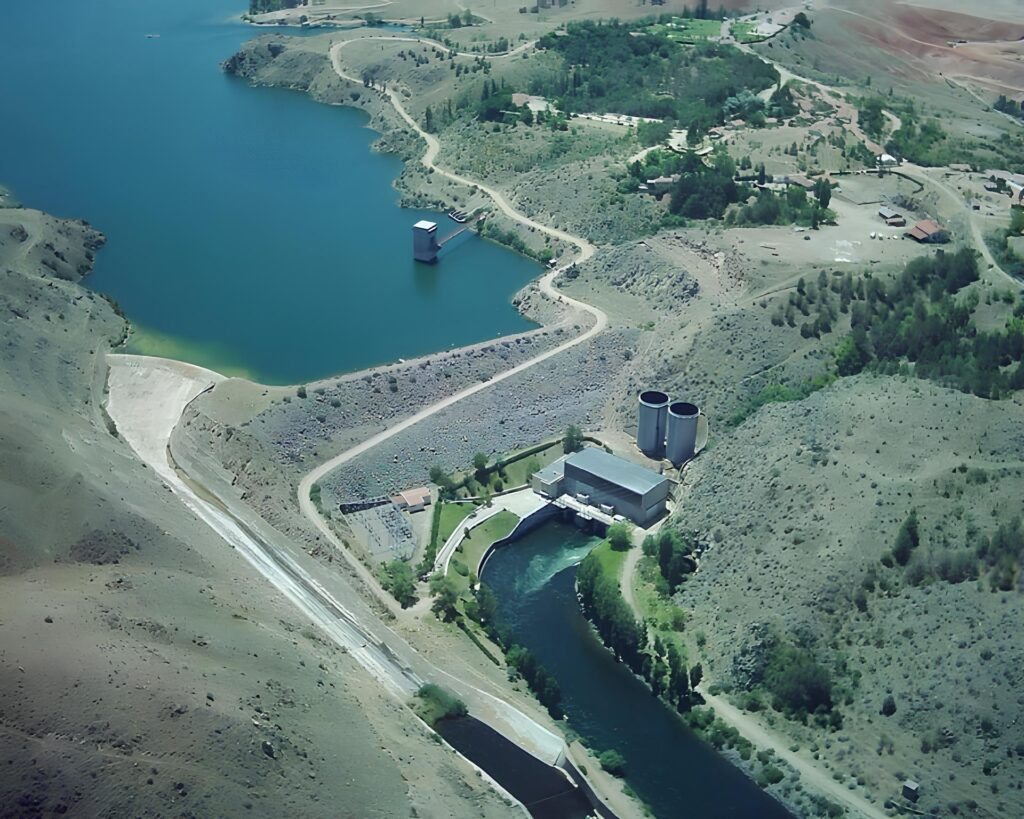
And residents are documenting the reality in plain language. According to information gathered from citizens in Ankara, there are localised, neighbourhood-by-neighbourhood outages; taps run weak; and in some areas cuts can last close to 12 hours a day. People reported to REVOLVE that laundry and dishwashing are becoming difficult or impossible, and many say they have been forced to shower early in the morning, if water arrives at all. This cannot be dismissed as a “consumer behaviour problem.” It is an infrastructure-and-governance failure landing inside people’s homes.
Pressure management, in theory, is meant to reduce physical losses in aging networks. In practice, Ankara’s approach has shifted the burden of systemic failure onto households. Repeated pressure fluctuations damage pipes, boilers, and appliances, while new leaks reportedly emerge from the stress. This is crisis management by attrition.
Crucially, the municipality’s narrative of “shared sacrifice” is false. According to data cited by the Water Policies Association, approximately 40% of total water consumption is used by just 16% of subscribers. Make no mistake, these are not households washing dishes or taking “long” showers. They are industrial facilities, construction sites, commercial users, landscaping projects, and water-intensive developments. Yet there is no public data on inspections, penalties, or supply restrictions targeting these actors. The bottom line is, conservation is demanded from those who consume least.
This class dimension is not new. During Ankara’s 2007 water crisis, the widely criticised Melih Gökçek advised residents to place bricks in their toilet cisterns and pray for rain. Nearly two decades later, the rhetoric has changed, but the logic has not. Today’s assurances, “there is enough water for 200 days,” “the problem will be solved once the platform is completed”, are built on the same postponement culture. Responsibility is deferred to rainfall, repairs, or future infrastructure. And the familiar “solutions” return: take shorter showers, flush less, endure more. Basically, no to policies but yes to moral lectures. Telling people to “shower less” while high-volume consumers remain structurally protected is not water management, it is blaming the public for a crisis produced above their heads.
Expert assessments confirm the depth of the problem. Türkiye’s 2025 water year was the driest in 52 years, with precipitation falling 35% in Central Anatolia. Major cities including Ankara and Izmir have entered water security risk zones. Nationwide, urban water loss rates remain close to 40%, far above acceptable levels. Reducing this to even 15% would effectively create new reservoirs overnight. Yet instead of systemic reform, authorities rely on emergency pumping and public patience.
What, then, should be done? According to Dursun Yıldız, President of the Water Policies Association, the solution lies in jointly managing supply and demand rather than deepening household restrictions. In an interview, Yıldız emphasised the urgent need to reduce network losses, control excessive consumption, and expand strategic supply infrastructure. He specifically highlighted the Gerede System, which has played a key role in Ankara’s water security but operates at limited capacity.
Exploring alternatives to increase Gerede’s capacity, alongside stricter regulation of high-volume users and long-delayed infrastructure rehabilitation, is essential. Without these structural steps, Yıldız warns, Ankara will continue relying on low-quality emergency sources and deeper restrictions.
Moreover, communication has compounded the crisis. ASKİ has disabled comments on its social media accounts, effectively withdrawing from public accountability. Residents now voice their anger elsewhere, while institutional silence shields decision-makers. In a crisis of basic survival, refusing dialogue is itself a political choice.
Water is not a commodity, nor a moral test for households. It is a public right. A city that restricts access for workers while leaving high-consumption sectors largely untouched is not managing scarcity, it is enforcing inequality. Unless Ankara confronts the political economy of water, who uses it, who profits, and who pays, the city will remain trapped in a cycle of shortages, excuses, and bottled survival.